India's Supreme Court Takes Up Tribal Christians' Challenge to Chhattisgarh Conversion Law
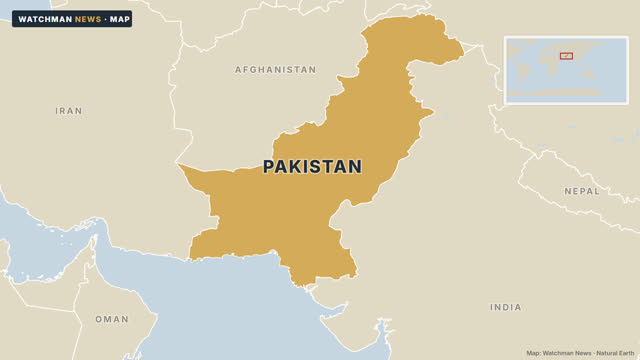
The law carries prison terms of at least seven years. Critics say it has brought more arrests of Christians and the closing of places of worship.
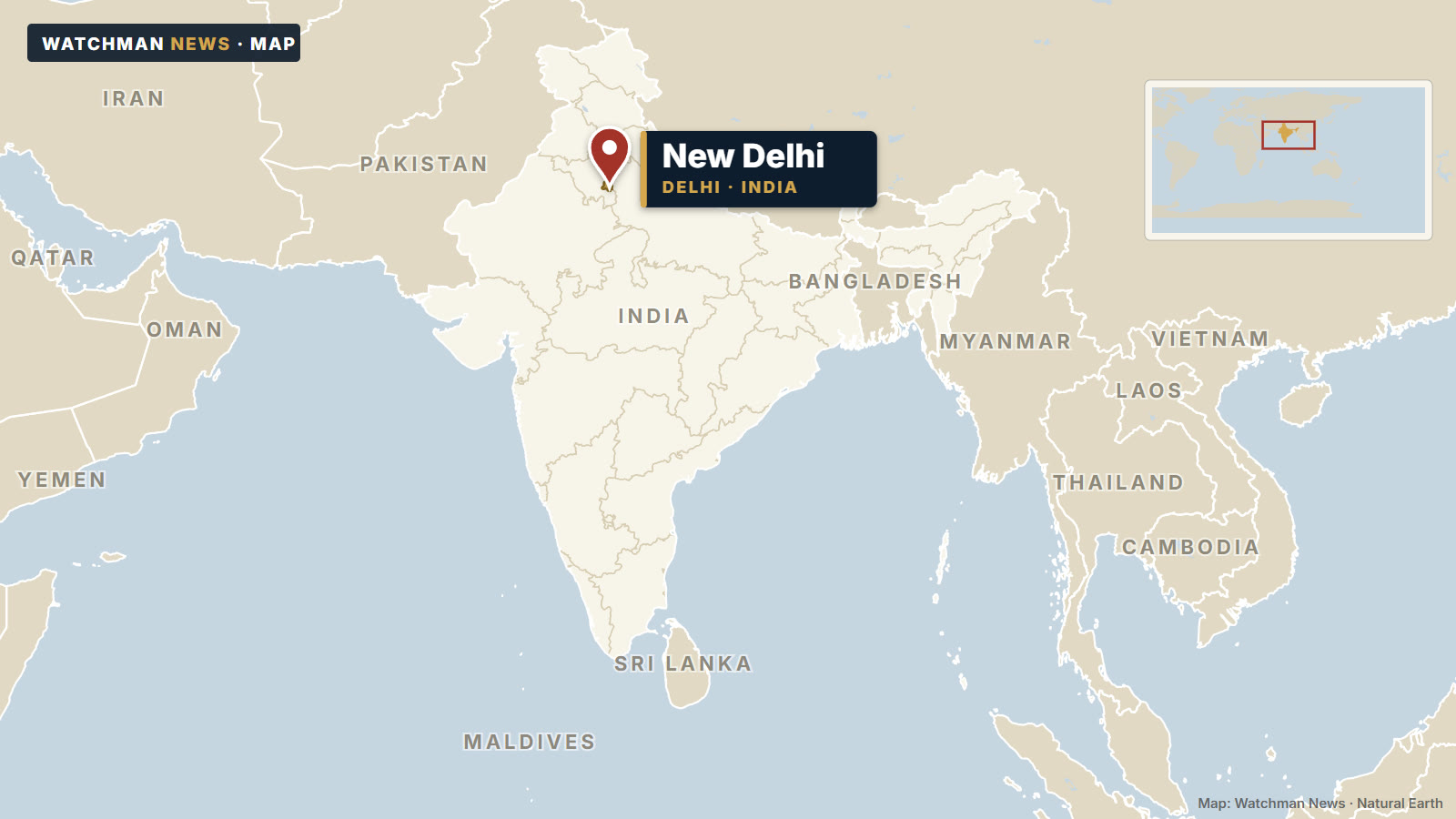
 See where this is ›
NEW DELHI —
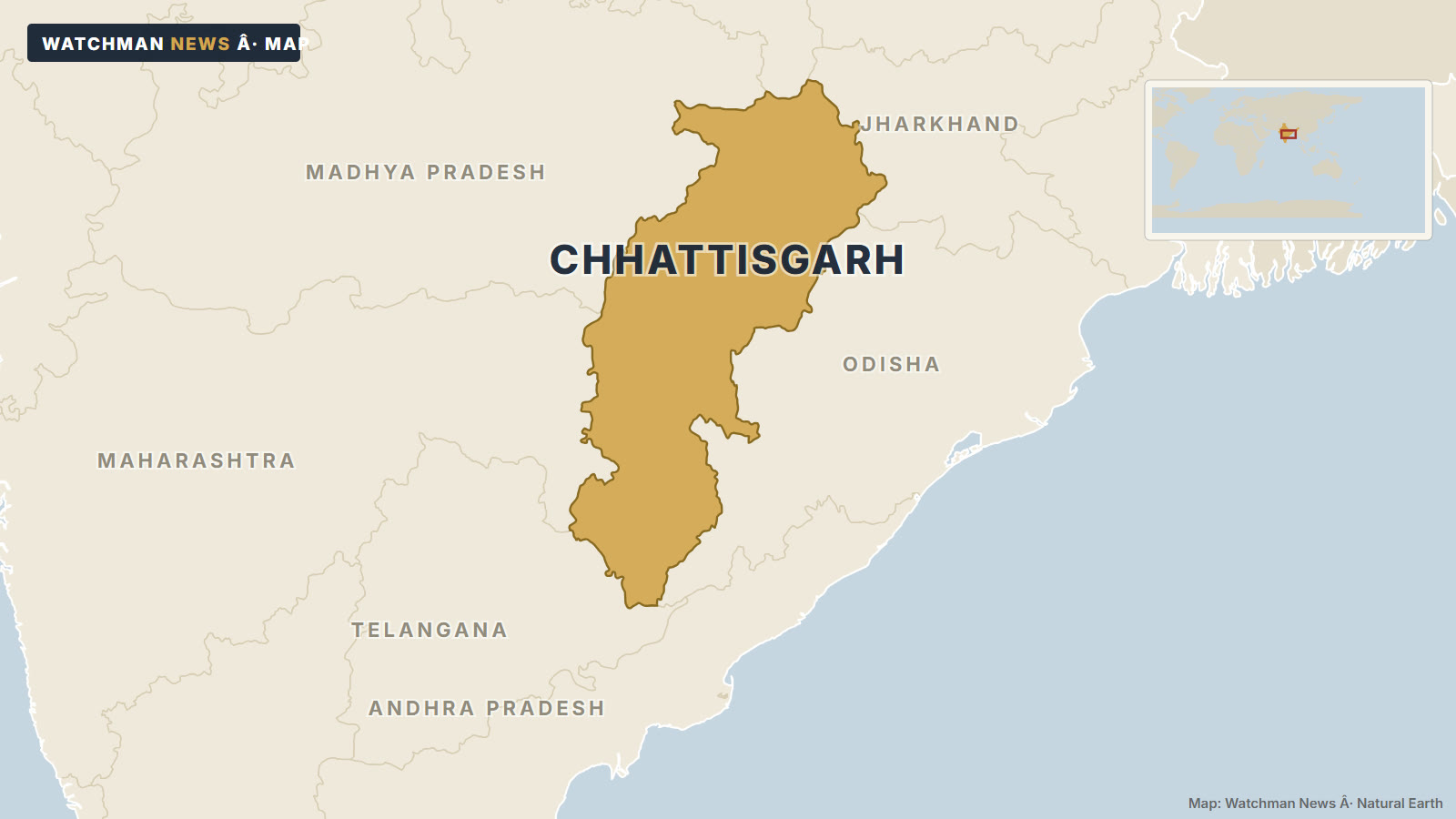
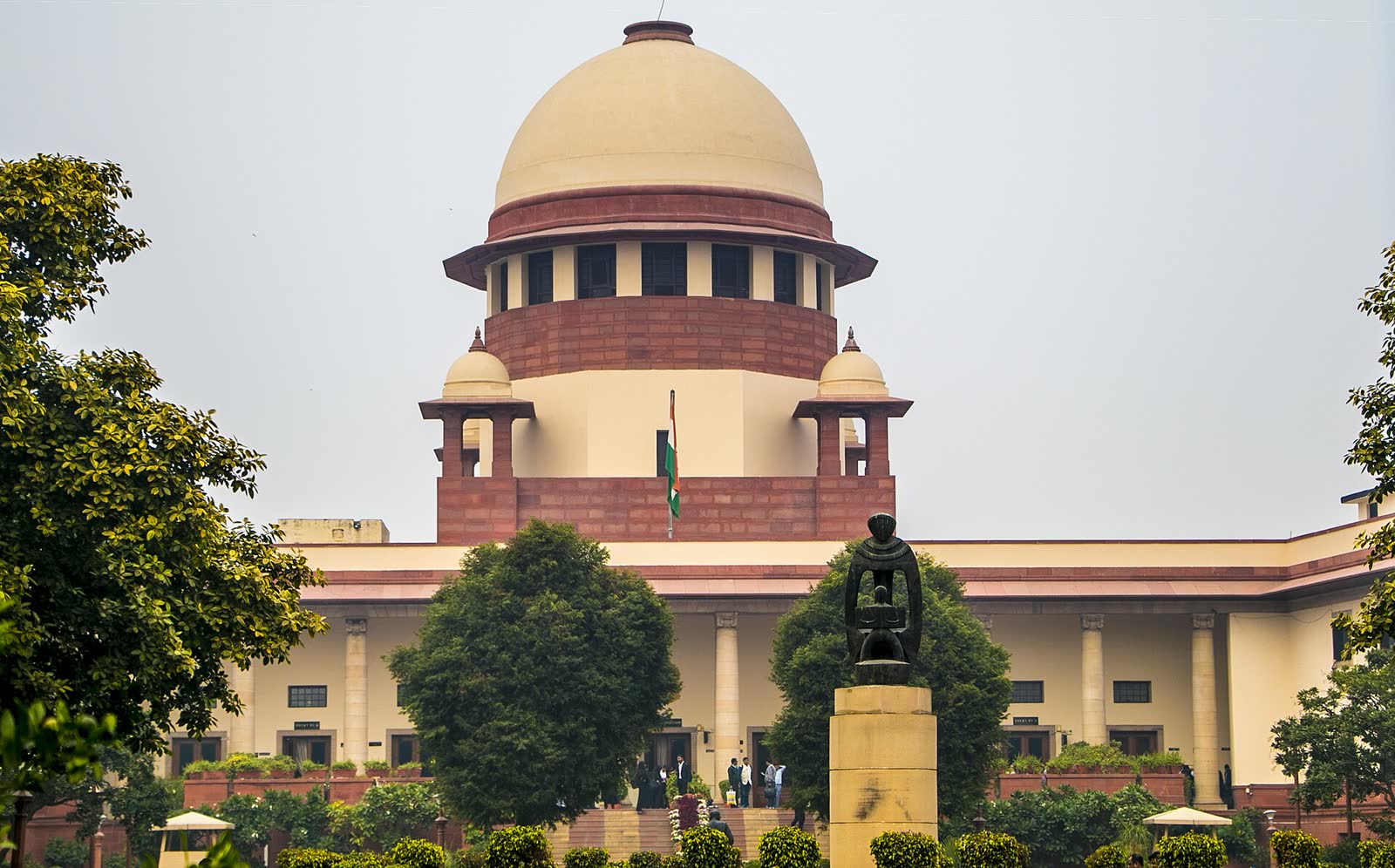
India's Supreme Court on Monday, Oct. 26, issued notices to the national government and the state of Chhattisgarh over a petition from tribal Christians that challenges the state's strict new anti-conversion law, Indian legal news outlets reported.
 See where this is ›
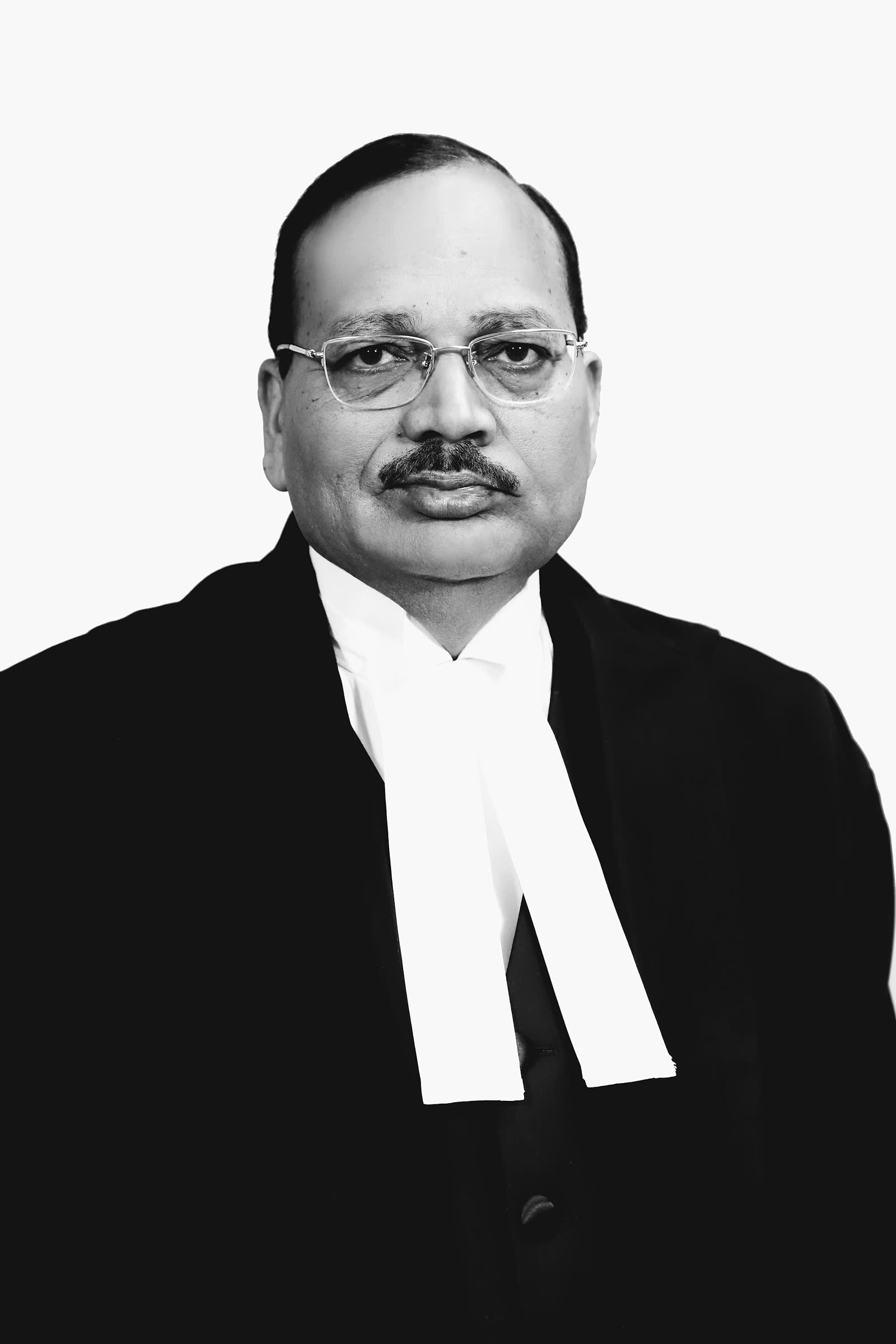
The petition was filed by the Isai Adivasi Mahasabha, a group representing tribal Christians, and was heard by a bench of Chief Justice Surya Kant and Justices Joymalya Bagchi and V. Mohana, according to Muslim Mirror. Senior advocate Colin Gonsalves argued for the petitioners. The court ordered the case joined with pending challenges to similar laws in Uttar Pradesh and Rajasthan.
Chhattisgarh's Assembly passed the Freedom of Religion Bill, 2026, by voice vote in March, and Gov. Ramen Deka signed it April 7, LawChakra reported. It replaces the state's 1968 law. It bans conversion by force, fraud, allurement or undue influence, makes the offense non-bailable, and sets prison terms of at least seven years, rising to as much as life in prison for a mass conversion of two or more people.
The petition argues that choosing a faith is “a deeply personal exercise of autonomy.” It says the law's definition of allurement, which includes the promise of a “better lifestyle,” could make ordinary preaching and charitable work a crime. It also objects to rules requiring people who plan to convert to post their names and old and new religions on official websites and on notice boards, including at the local police station.
 See where this is ›
A separate challenge is already before the Chhattisgarh High Court. On Oct. 8, a bench of Chief Justice Krushna Ram Mohapatra and Justice Santosh Sharma gave the state three weeks to respond, the Deccan Chronicle reported. Those petitioners say pastors and priests must now register with the state and that the law has been used to close places of worship. Gonsalves told the Supreme Court he would explore having that case moved to New Delhi.
Open Doors UK reported Oct. 23 that Christians in the state have faced more arrests and long legal battles since the law took effect. “The 2026 amendment of the Freedom of Religion Act mainly targets Christians,” said a local partner of the ministry, whose name was changed for safety.
 See where this is ›
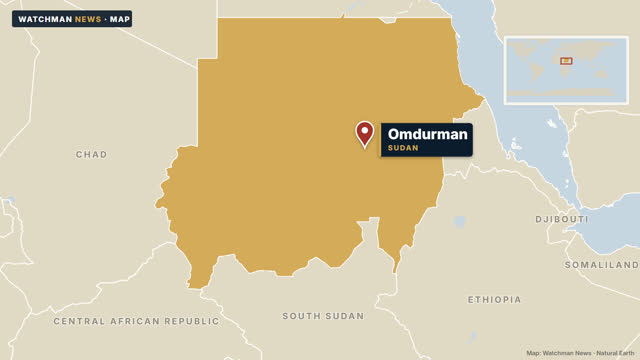
India's Supreme Court upheld earlier anti-conversion laws in Madhya Pradesh and Odisha in 1977, ruling that the right to spread one's religion does not include a right to convert another person. The state has not yet filed its response, and no date has been reported for the next hearing.