UN Iran Monitor: Seizure of Tehran's Oldest Protestant Church Shows Wider Squeeze on Christians
Iran has answered only one of eight UN letters about Christians since 2011, rapporteur Mai Sato said, and has not replied on St. Peter's Evangelical Church, seized in July.
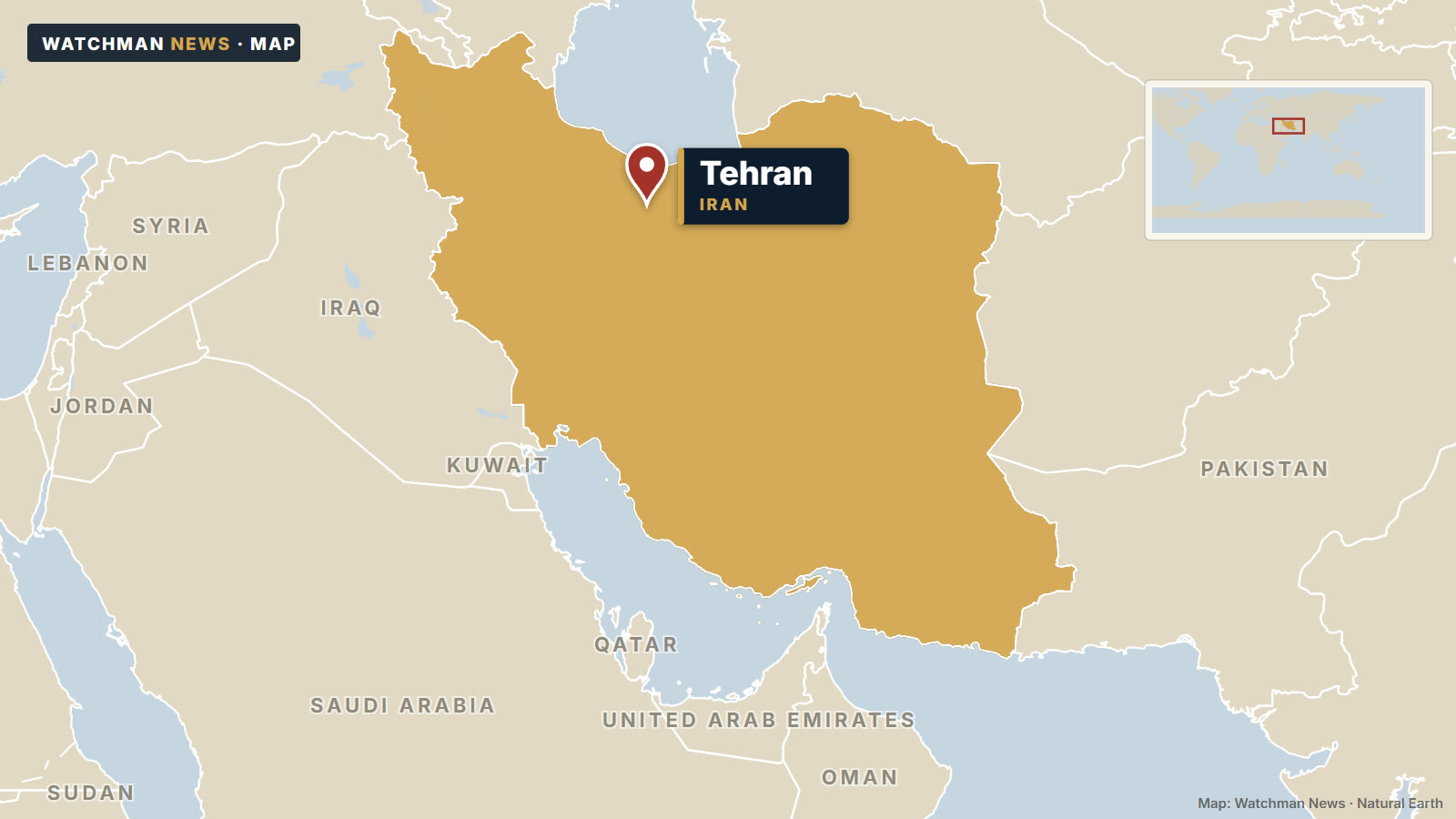 See where this is ›
TEHRAN, Iran —
The United Nations' human rights monitor for Iran says the July seizure of St. Peter's Evangelical Church in Tehran, described as the oldest Protestant church in the country, is part of a wider pattern of pressure on Iran's Christians. Dr. Mai Sato, the UN Special Rapporteur on the situation of human rights in Iran, spoke in an interview with Article18, a group that monitors religious freedom in Iran, Christian Daily International reported Nov. 4.
According to International Christian Concern, Iranian authorities moved in July to hand the church compound in central Tehran to the Execution of Imam Khomeini's Order, a state-controlled body that takes over religious and private property, enforcing a Revolutionary Court ruling from the late 1990s. Christian Daily reported that authorities seized the compound on July 12, a month ahead of their own deadline, posted guards outside and evicted the 27 Armenian and Assyrian Christians still living there.
Sato and Nazila Ghanea, the UN Special Rapporteur on freedom of religion or belief, jointly called on Iran to reverse the seizure. They described it as part of a long pattern against Iran's Christians, especially worship in the Persian language. According to the report, Iran once had about 50 Protestant churches, most holding Persian-language services; today there are effectively none.
Since the Iran mandate was re-established in 2011, the UN has sent Iran eight communications about Christians, Sato said. Seven concerned arrests and detentions, mostly of converts. Iran has answered only one, about a 2020 case, and that reply called Christian converts a national security threat. Iran has not answered the letter about St. Peter's. Sato said the church case was different because the people evicted belonged to Iran's recognized Armenian and Assyrian communities, not converts.
Sato said the actions behind many “national security” charges are ordinary church life, such as house-church meetings or handing out what she believes were probably Bibles. Iran does not recognize her mandate and does not let her enter the country. She said the post is unpaid and that she can only monitor and report, with no power to enforce. “Authorities know that we're watching,” she said.
She acknowledged that the plight of Christians “hasn't always received the attention that it deserves” while she has focused on executions and political prisoners during the 12-day war, a crackdown on protests and the current war. Her message to Christian prisoners of conscience: “Your every day matters to my mandate, not only when you're arrested or detained or imprisoned.”
What we don't know yet: Iran has given no public response to the UN about the church, and it is not known what the state body plans to do with the compound. Watchman News has not independently confirmed the details of the eviction beyond the reports of Christian Daily International and International Christian Concern.