Extreme Heat Halts In-Person Classes for 113,000 Students in the Philippines' Western Visayas
Heat indexes forecast as high as 43 degrees Celsius led 122 public schools in Iloilo City, Roxas City and other towns to send children home, as officials prepare farmers for a very strong El Niño.
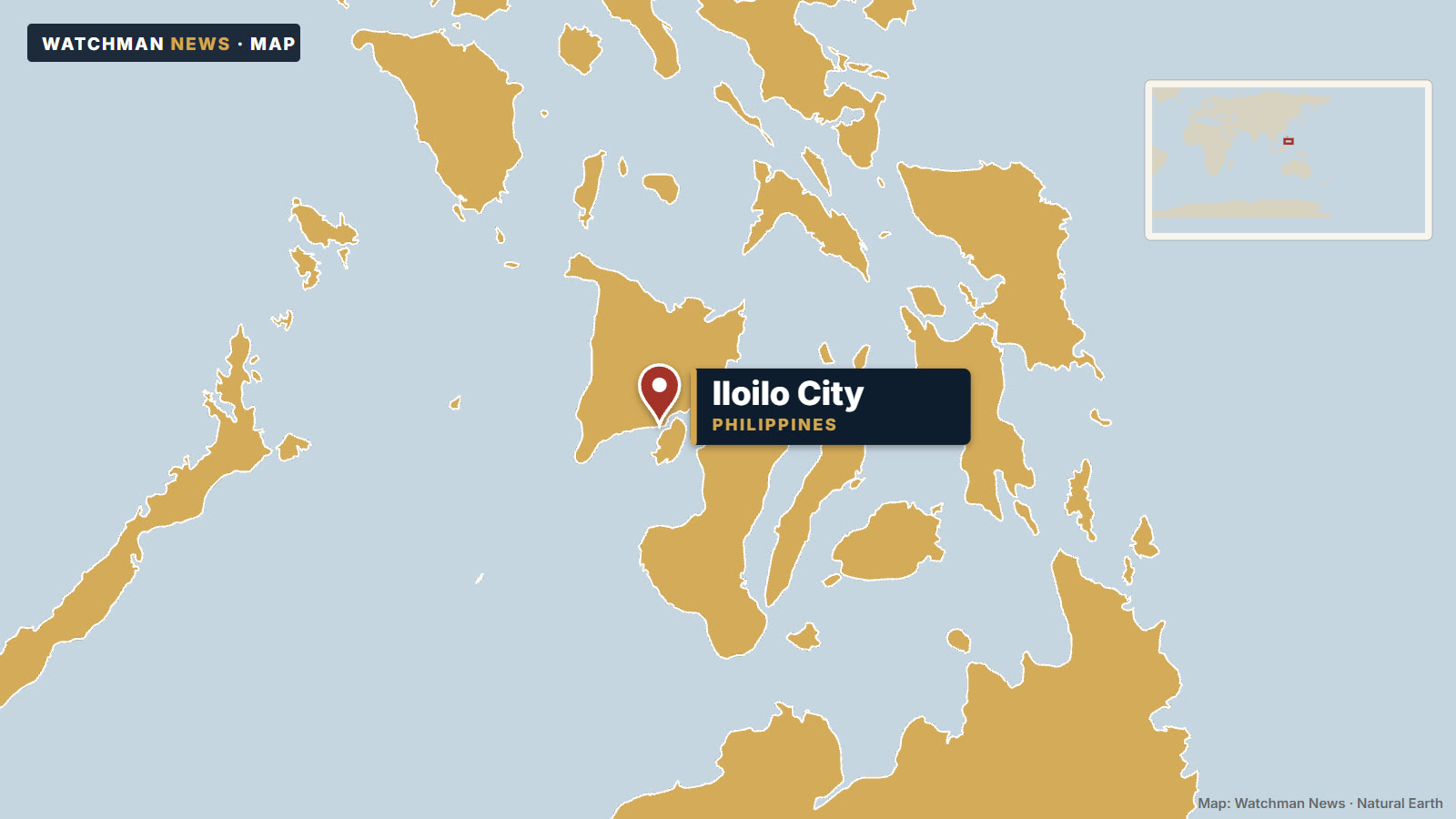 See where this is ›
ILOILO CITY, Philippines —
Extreme heat has forced 122 public schools in the Western Visayas region of the Philippines to stop in-person classes, affecting 113,022 students, the government's Philippine News Agency reported Nov. 4.
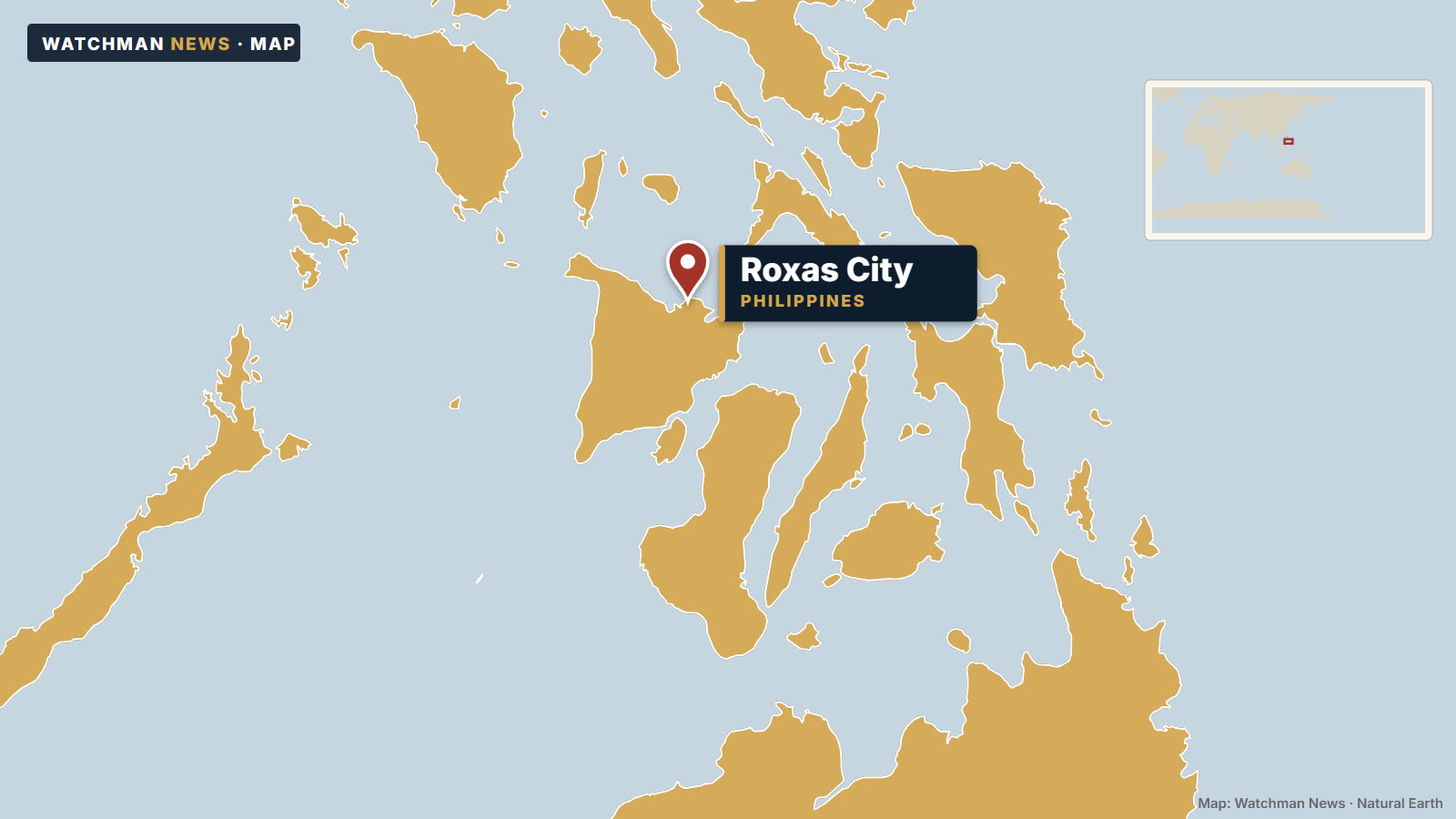
Hernani Escullar Jr., information officer for the Department of Education (DepEd) in Western Visayas, said the closures covered schools in 14 local government units. Iloilo City accounted for 73,127 of the students, Roxas City for 31,685 and other parts of Capiz province for 8,210.
 See where this is ›
The heat index forecast for Tuesday, Nov. 3, was 43 degrees Celsius in Iloilo City, 42 in Roxas City and 40 in Mambusao, Capiz, and Dumangas, Iloilo, according to the agency. Escullar said “protecting the health and safety of learners and teachers remains the department's priority.”
The schools are following DepEd Memorandum No. 64, series of 2026, a four-step plan written for the expected “Super El Niño.” Below 27 degrees, classes go on with water breaks; from 27 to 32 degrees, schools may shorten hours or switch to flexible learning; from 33 to 41 degrees, in-person classes stop and students get lighter home tasks; above 42 degrees, all school work, at school and at home, is suspended.
Under the memo, a school may change how it teaches without waiting for a declaration from local officials if it informs its schools division superintendent. Private schools are encouraged to follow the same guidelines.
The same day, officials in Pangasinan province on the island of Luzon told a farmers' and fisherfolk congress in Lingayen that the Department of Agriculture has set aside more than 1.5 billion pesos for the region's plan against what the agency called a very strong El Niño. Provincial agriculturist Dalisay Moya said about 38,000 farmers, 15,200 fishers and about 37,000 hectares could be affected, mostly at the tail end of irrigation systems. Water pumps are to be handed out to farmers' associations starting in January 2027.
What we don't know yet: how long the school closures will last, or how many more schools may close if the heat continues.