Study: Israelite Purple-Dye Site at Tel Shiqmona Also Pressed Oil, Wove Cloth and Sheltered Animals
University of Haifa researchers say rooms at the Carmel coast site changed use through the year in the days of Jeroboam II. Its blue and purple dye may have reached the First Temple.
 See where this is ›
HAIFA, Israel —
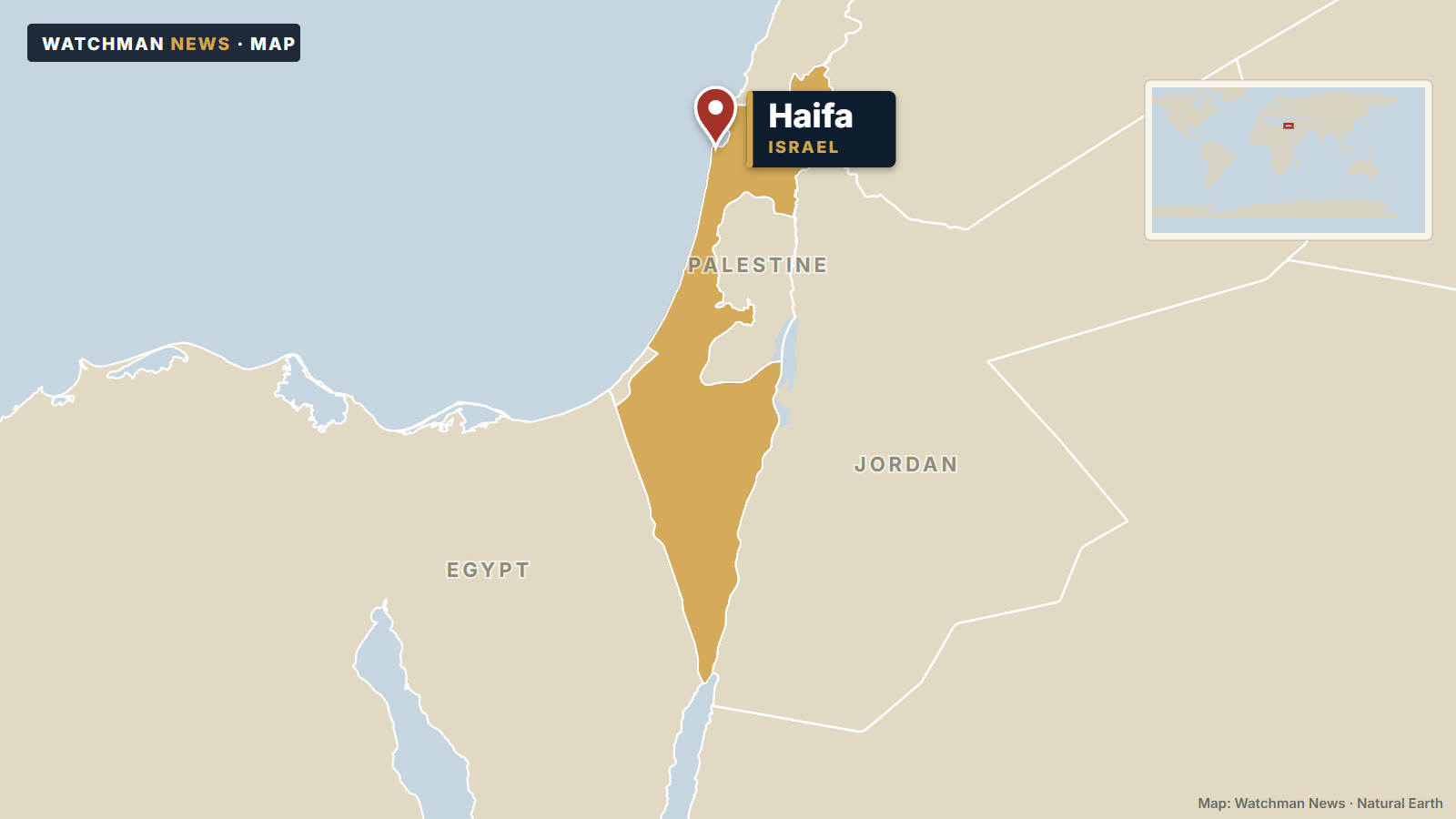
Workers at the largest known Iron Age purple-dye factory in the Mediterranean region used the same rooms for olive pressing, cloth making and sheltering livestock at different times of the year, University of Haifa researchers report. The study of Tel Shiqmona, on the Carmel coast at the southern edge of modern Haifa, was published Sept. 24 in the journal PLOS ONE. The Times of Israel reported on it Nov. 1.
 See where this is ›
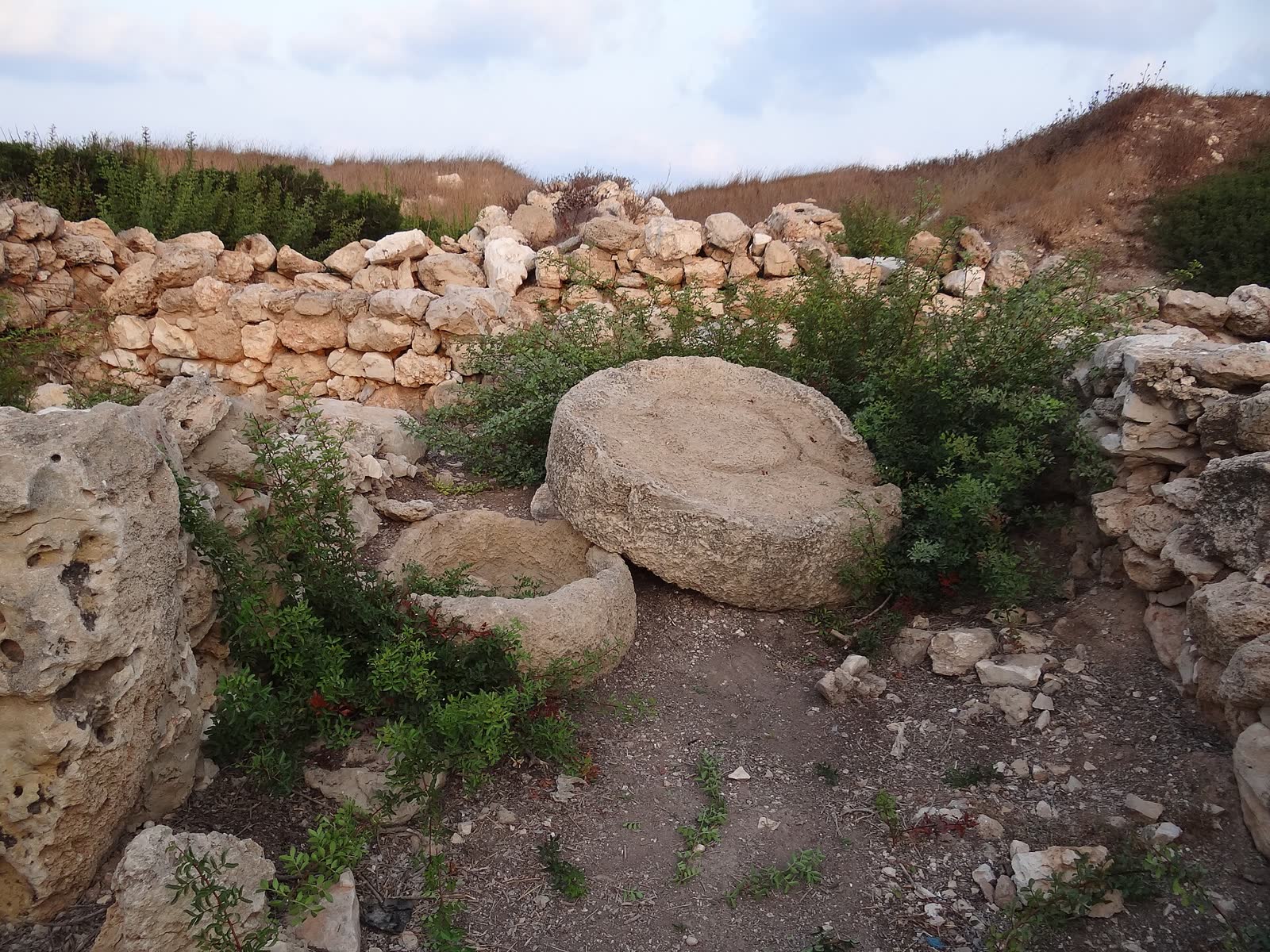
The team tested 28 bulk sediment samples and three blocks of undisturbed sediment from two adjoining spaces dated to about 790-740 B.C., the reign of Israelite King Jeroboam II. An olive press, purple-stained pottery and 16 loom weights turned up together in one well-preserved building. Dung remains showed animals had been kept in one room, and layers of wood ash suggest the floor was sanitized after the livestock were moved.
The researchers propose a yearly cycle of olive pressing in autumn, textile work in spring and sheltering animals in the winter off-season. Prof. David E. Friesem, who heads the university's Laboratory for Environmental Micro-History, said making the most of space and resources “was clearly a feature of ancient societies, no less than it is of our own.”
 See where this is ›
The authors are Isaac Ogloblin Ramirez, Golan Shalvi, Sonia Pinsky, Madeline Jacobson, Roni Zuckerman-Cooper, Prof. Ayelet Gilboa and Friesem. Shalvi, the senior researcher, directed earlier excavations at the site.
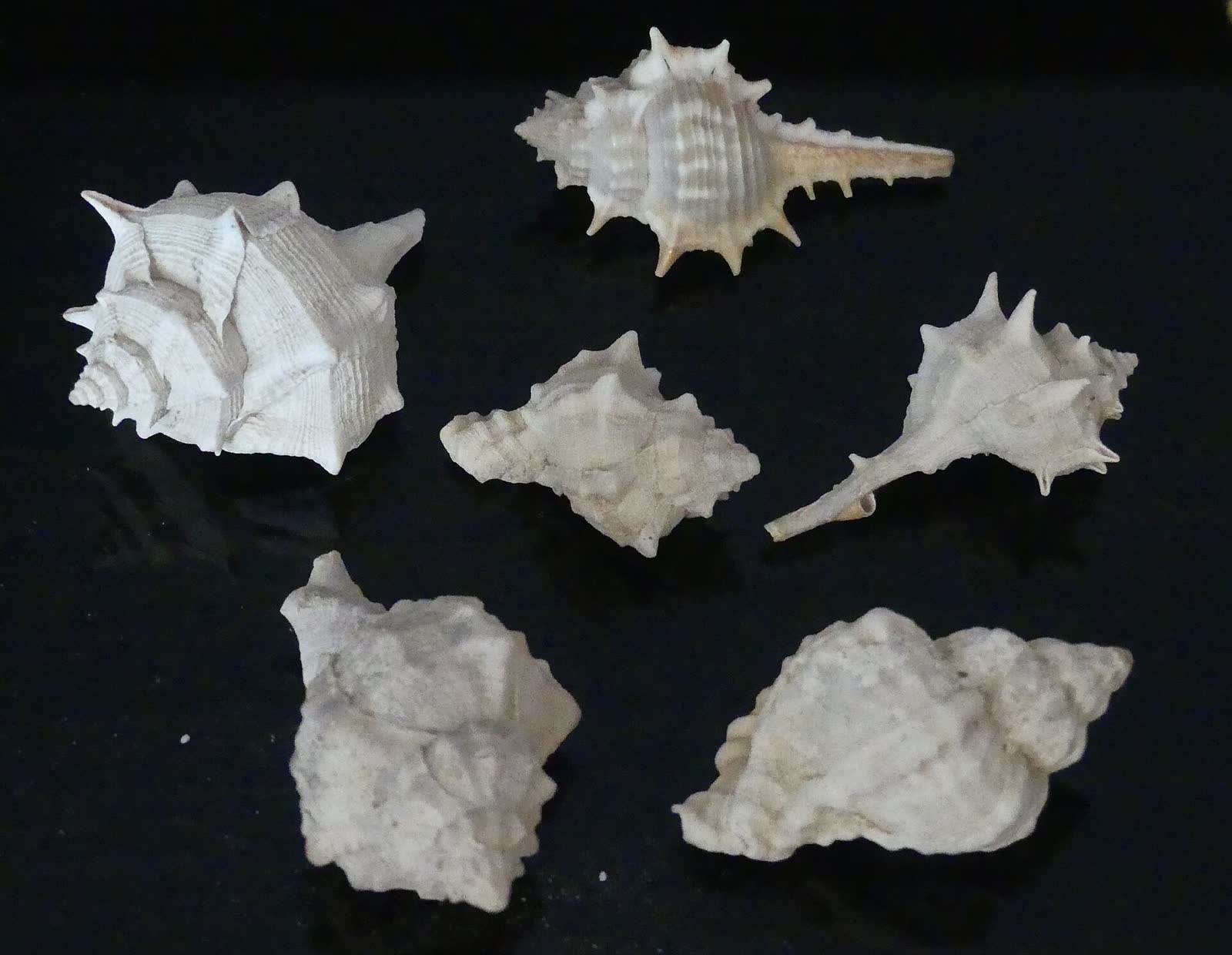
Tel Shiqmona covers about two acres. According to The Times of Israel, it began as a small Phoenician village and was taken over in the ninth century B.C. by the northern Kingdom of Israel, which made it a state-run industrial center. Excavators have found at least 16 dyeing vats, each holding about 350 liters. The blue and purple dyes, known in Hebrew as techelet and argaman, came from the glands of three types of murex snails.
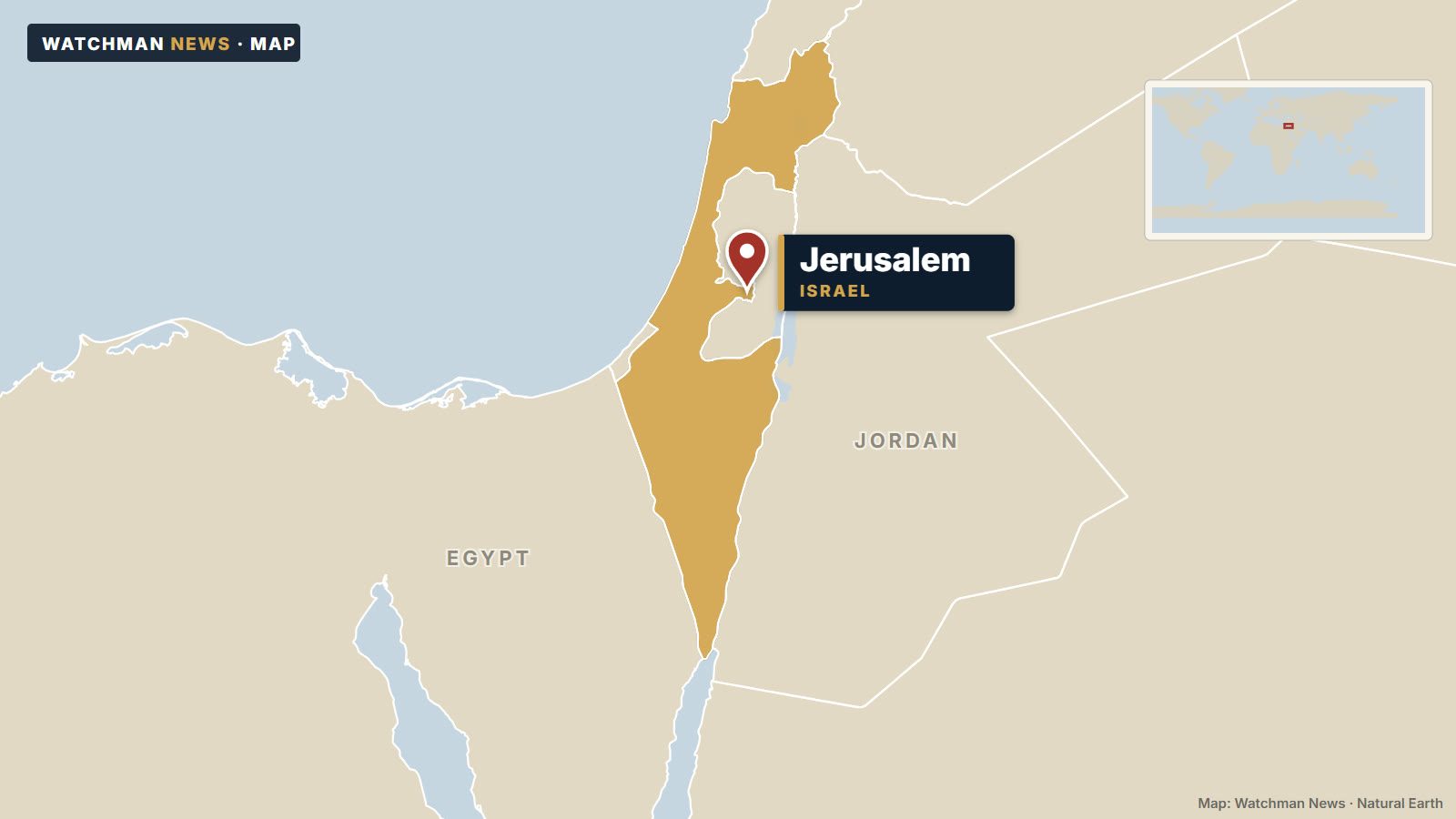
“It was not just one individual dyeing a garment for a king,” Gilboa said. The Times of Israel reported the site likely exported dye to Philistia, Moab, Edom and Judah, and that fabrics dyed with its colors may have been used in the First Temple in Jerusalem. Scripture lists those colors among the materials for the Tabernacle.
“And blue, and purple, and scarlet, and fine linen, and goats' hair,”
Exodus 25:4, KJV
 See where this is ›
What we don't know yet: When in the year the dye itself was made. The authors say that timing remains unresolved, and that the seasonal cycle is inferred from when each kind of work is known to take place, not read directly from the deposits. They say future testing of murex shells and animal remains could check it. The link to the First Temple is a possibility, not a finding of this study.