County Tells Appeals Court J.D. Greear's Church Fight Is About Zoning Power, Not Religion
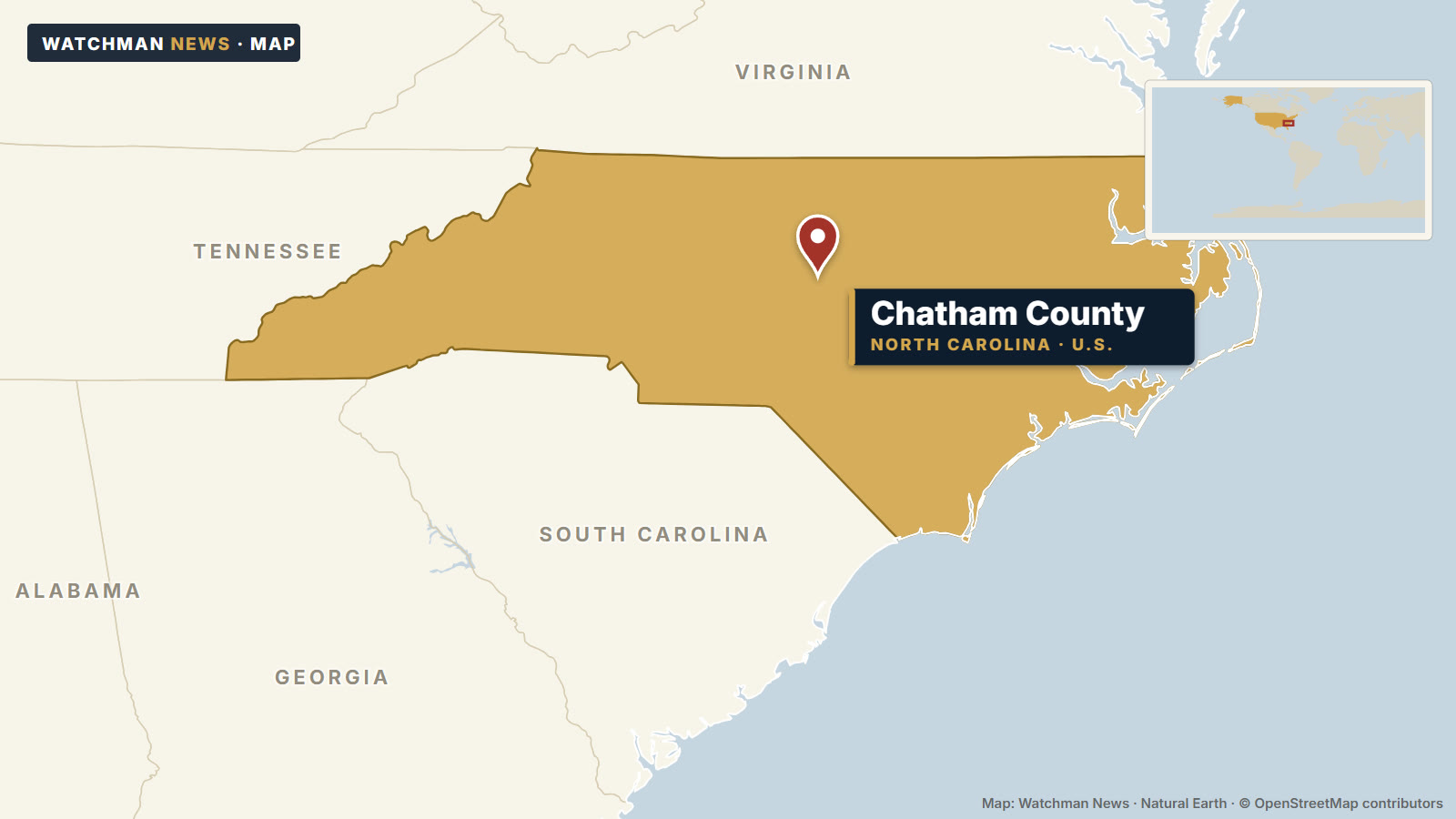
Chatham County, N.C., is asking the 4th Circuit to undo an order that favored The Summit Church's plan for nearly 100 acres. The answer could shape how churches use a federal land-use law.
 See where this is ›
CHATHAM COUNTY, N.C. —
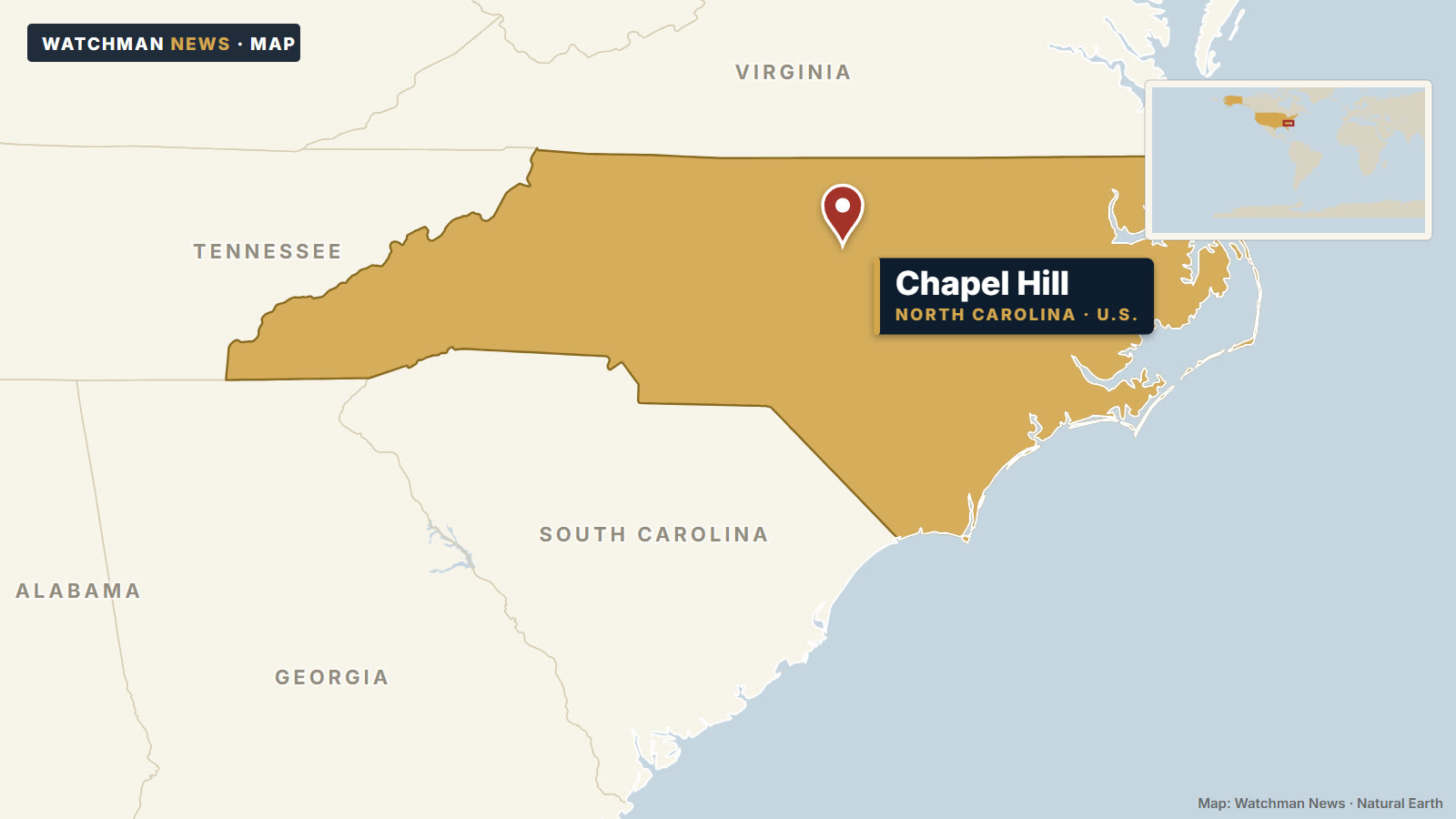
A North Carolina county told a federal appeals court that its dispute with The Summit Church, led by former Southern Baptist Convention president J.D. Greear, is about the separation of powers and not religious discrimination, The Christian Post reported Nov. 2. The Chatham County Board of Commissioners is appealing an order that favored the church's plan to rezone nearly 100 acres for its Chapel Hill campus.
 See where this is ›
Judges A. Marvin Quattlebaum Jr., Barbara Milano Keenan and Deborah L. Boardman of the U.S. Court of Appeals for the 4th Circuit heard about 45 minutes of argument on Tuesday, Oct. 27. “The issue in this case is whether a district court can direct the outcome of a local legislative rezoning decision,” said Steven Bader, the county's attorney. He argued that federal courts may strike down local laws that conflict with federal law but may not order a local board to rezone, relying on what is known as the anti-commandeering doctrine.
Quattlebaum pushed back, noting that the doctrine generally does not stop federal courts from ordering state officials to follow federal law. Boardman indicated the question on appeal is narrow: whether the lower court had jurisdiction to grant its preliminary injunction.
 See where this is ›
Elbert Lin, the church's attorney, said no order compels a rezoning and there may never be one. He suggested the court could instead rule that the zoning laws do not apply to six parcels. “The removal of the application of these zoning laws doesn't strike them from the books,” Lin said.
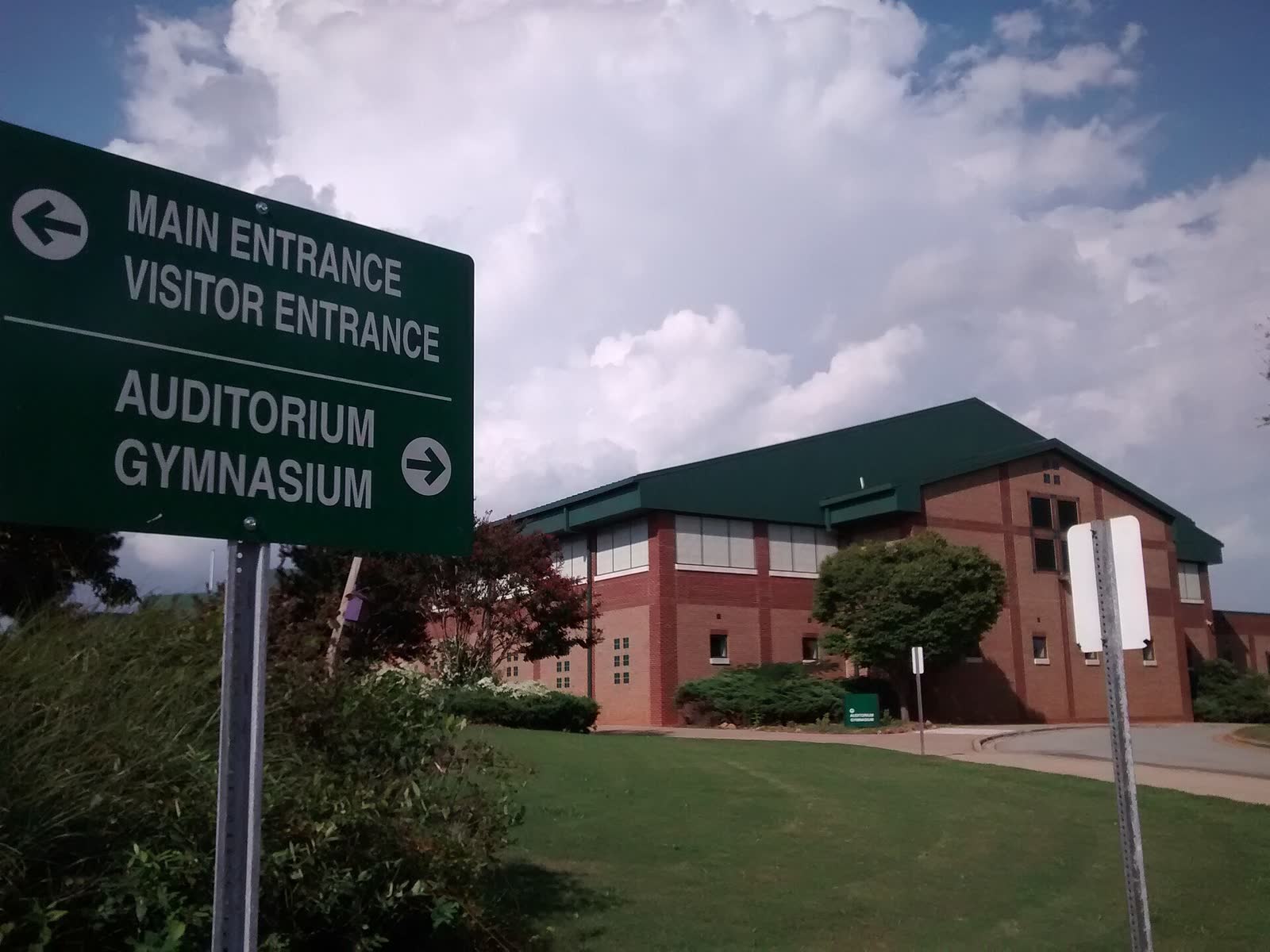
The commissioners denied the church's rezoning application on Dec. 16, 2024, and the church sued in early 2025 under the First and Fourteenth Amendments and the Religious Land Use and Institutionalized Persons Act, or RLUIPA, a federal law enacted in 2000. The Justice Department says the congregation met at East Chapel Hill High School for several years and has outgrown its space.
In June 2025, U.S. District Judge William Osteen Jr. of the Middle District of North Carolina found the church likely to succeed in showing a substantial burden on its religious exercise. He barred the county from denying the proposal while the case proceeds, once the church posted a $2,000 bond, but declined to order approval, finding that the balance of equities favored the county.
The Justice Department backed the church in a statement of interest filed in April 2025, with Assistant Attorney General Harmeet K. Dhillon saying RLUIPA protects the rights of religious groups to exercise their faith. Department attorney Noah Sacks told the appeals court that the government's interest in enforcing the law “is threatened by the county's argument, which seeks to use state law to shield itself from RLUIPA.”
What we don't know yet: When the 4th Circuit will rule, or how. Watchman News read The Christian Post's account of the hearing and could not open the court's audio recording; The Christian Post did not state the hearing's date, which comes from a published listing of the argument.