Whooping Cough Has Killed 22 Infants in Honduras This Year as Dengue Cases Top 12,000
Health officials urge expectant mothers to get vaccinated in the last trimester; every whooping cough death this year was a baby under two months old.
 See where this is ›
TEGUCIGALPA, Honduras —
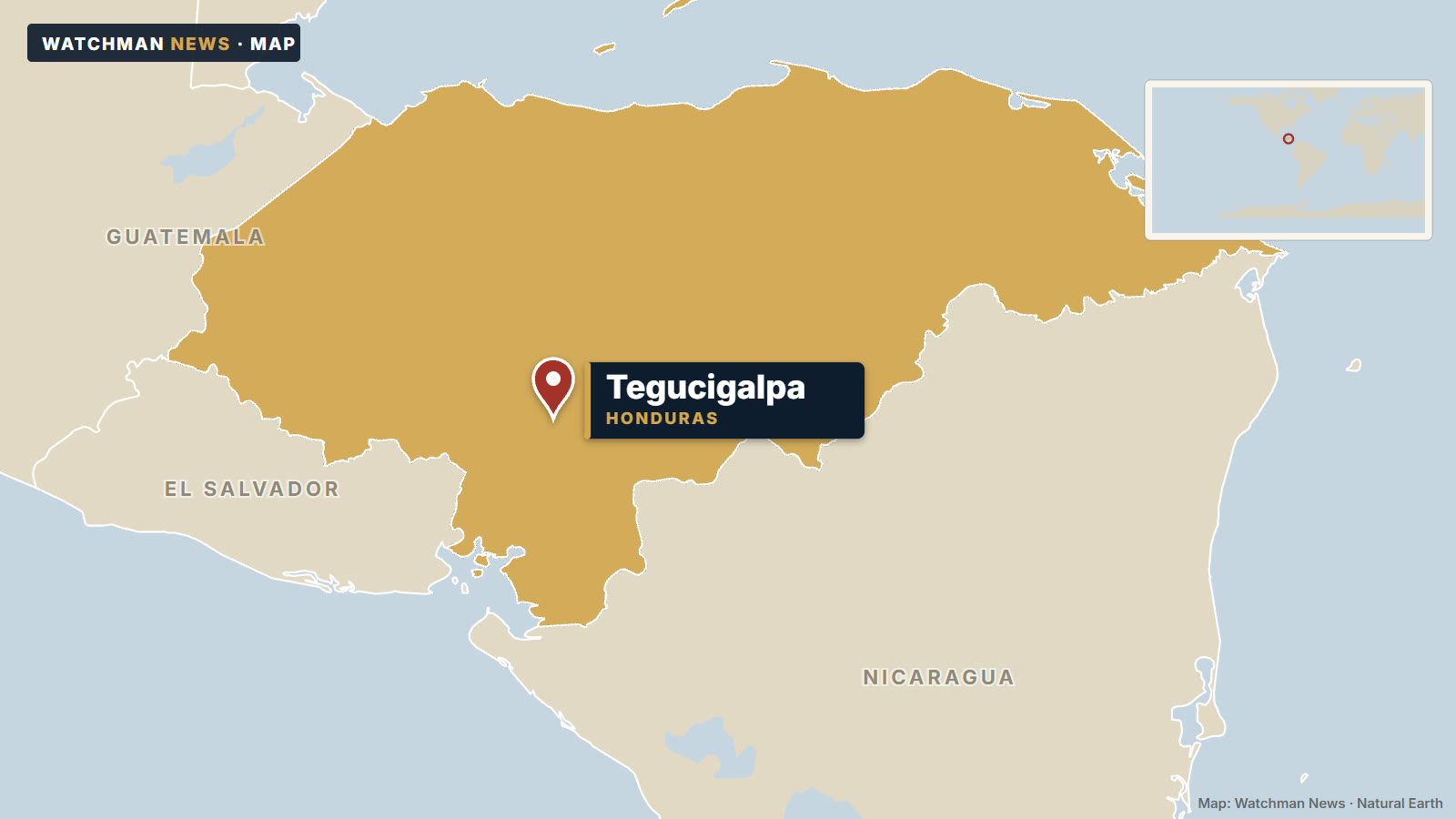
Whooping cough has sickened 268 people in Honduras so far in 2026 and killed 22, all of them babies younger than two months, the country's Secretariat of Health reported Tuesday, Oct. 27, according to the Honduran newspaper El Heraldo.
 See where this is ›
Odalys García, head of the health secretariat's Expanded Program on Immunization, said seven new cases were recorded in recent weeks, El Heraldo reported. The infants who died were born to mothers who had not received the Tdap vaccine in the last three months of pregnancy, she said. The disease, a highly contagious bacterial infection of the lungs and airways, hits children under one year hardest and can be most severe in babies under six months.
Health officials are urging pregnant women to get the Tdap shot in the third trimester so their newborns are protected in their first months, and asking parents to bring children to health centers to start or finish their vaccinations. National vaccination coverage is about 80 percent, El Heraldo said. The government has also started a registry, backed by the World Health Organization, that keeps each person's vaccine record and offers a digital vaccination card on a cell phone.
 See where this is ›
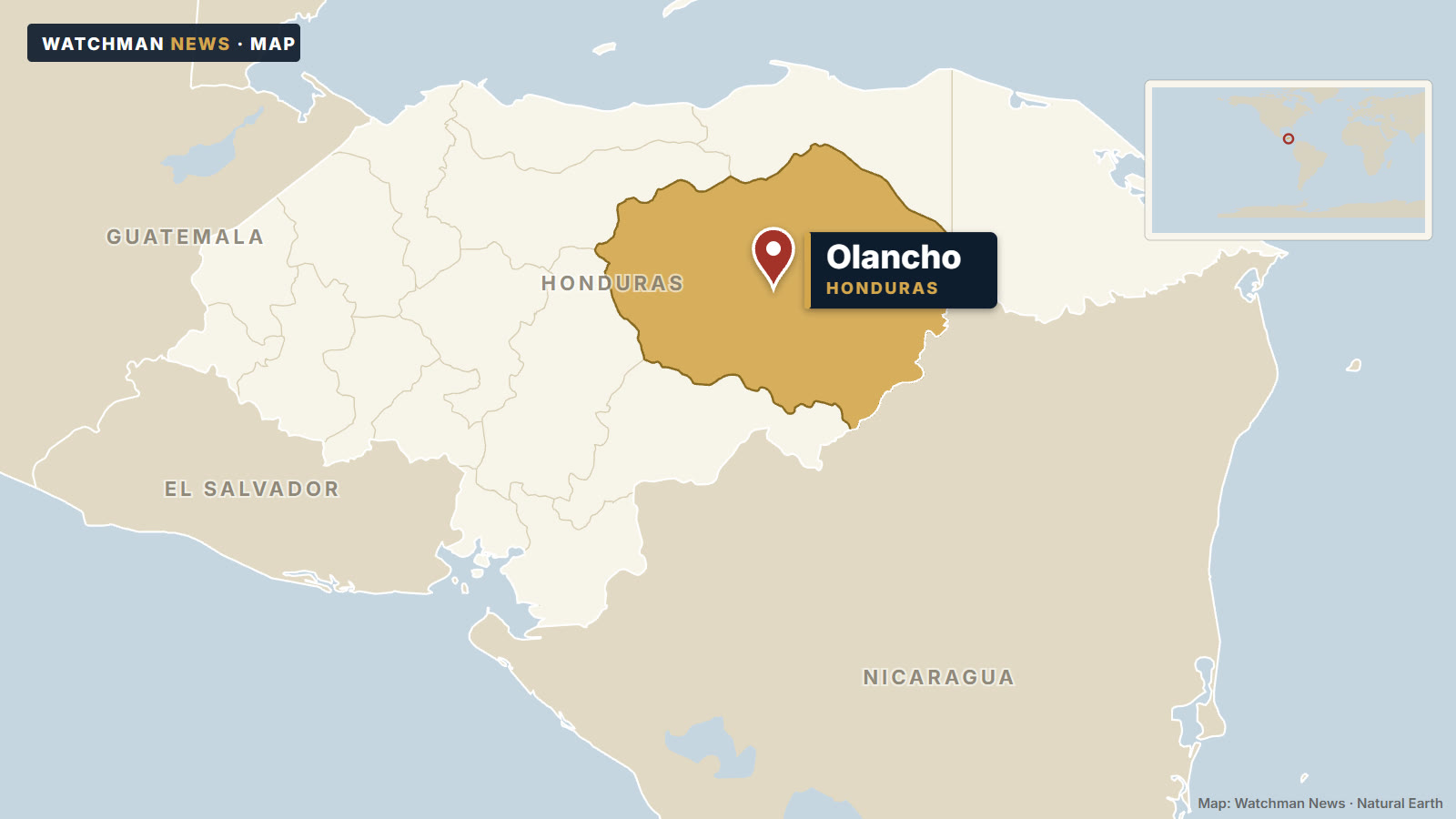
At the same time, Honduras is still fighting dengue fever. The health secretariat confirmed 692 new dengue cases in the week of Oct. 18-24, bringing the total for the year to 12,281, El Heraldo reported. Four people have died of dengue this year: two in Choluteca, one in Catacamas in Olancho department, and one in the Central District, which includes the capital, Tegucigalpa.
Olancho has the most dengue cases, followed by the Central District, Choluteca, San Pedro Sula, Colón and Yoro, and children under 15 are the most affected, health authorities said. Weekly cases fell from 840 the week before, but Homer Mejía, head of the health secretariat's Health Surveillance Unit, warned that the drop “does not mean dengue transmission is under control.”
Officials are asking families to get rid of bottles, cans, tires and other containers that collect standing water where mosquitoes breed, to treat stored water, and to use repellent and wear long sleeves and pants, especially in wooded areas.