Update: Honduras' Tough Anti-Gang Law Takes Effect; Congress Chief Says 'Time to Restore Order'
Decree 258-2026, now published in the official gazette, makes gang membership alone a crime carrying 30 to 40 years and lets police search homes without a warrant in urgent operations.
 Learn more ›
TEGUCIGALPA, Honduras —
Honduras' sweeping new anti-gang law is now in force after its publication in the official gazette, La Gaceta, the Honduran newspaper La Prensa reported Nov. 3. The National Congress passed the measure Oct. 27; it is now known as Decree 258-2026.
 Learn more ›
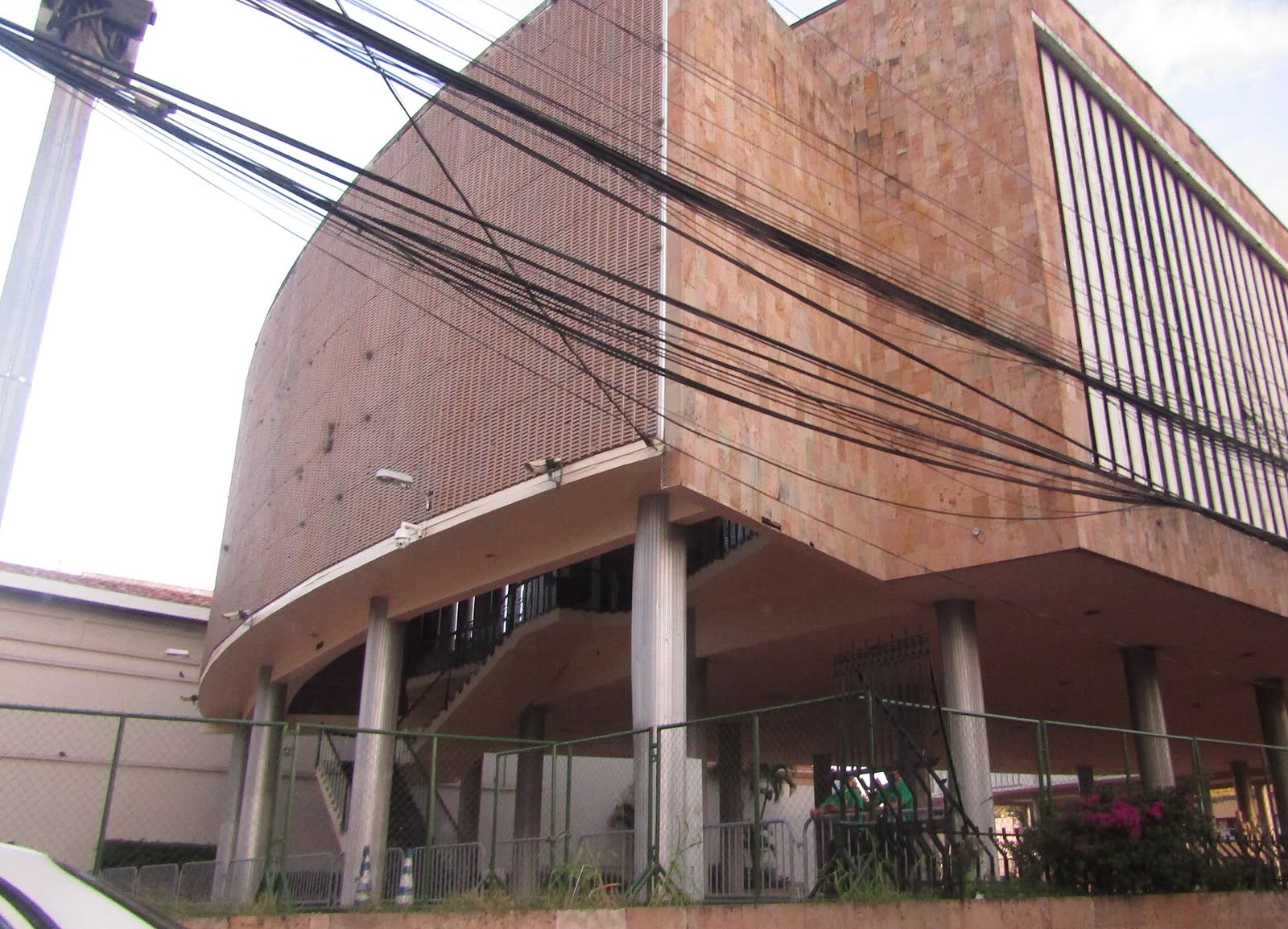
Congress President Tomás Zambrano spoke about the law Tuesday, Nov. 3, at a news conference at Casa Presidencial in Tegucigalpa after a session of the National Defense and Security Council. “The time has come to recover the country and restore order,” he said, adding that Hondurans “cannot keep living imprisoned in their homes.” He said police and the armed forces will now be in command in every part of the country and may carry out raids “without a judicial warrant, but always accompanied by the Public Prosecutor's Office.”
Under the law, membership alone in a gang or other group it treats as a terrorist association counts as a crime. Leaders, promoters and financiers face 40 years to life in prison; simple members, and people who paint gang graffiti or symbols, face 30 to 40 years. People who help a gang without joining, by passing information or providing property, transport or technology, face 20 to 30 years, or 30 to 40 years if they are public officials or are paid.
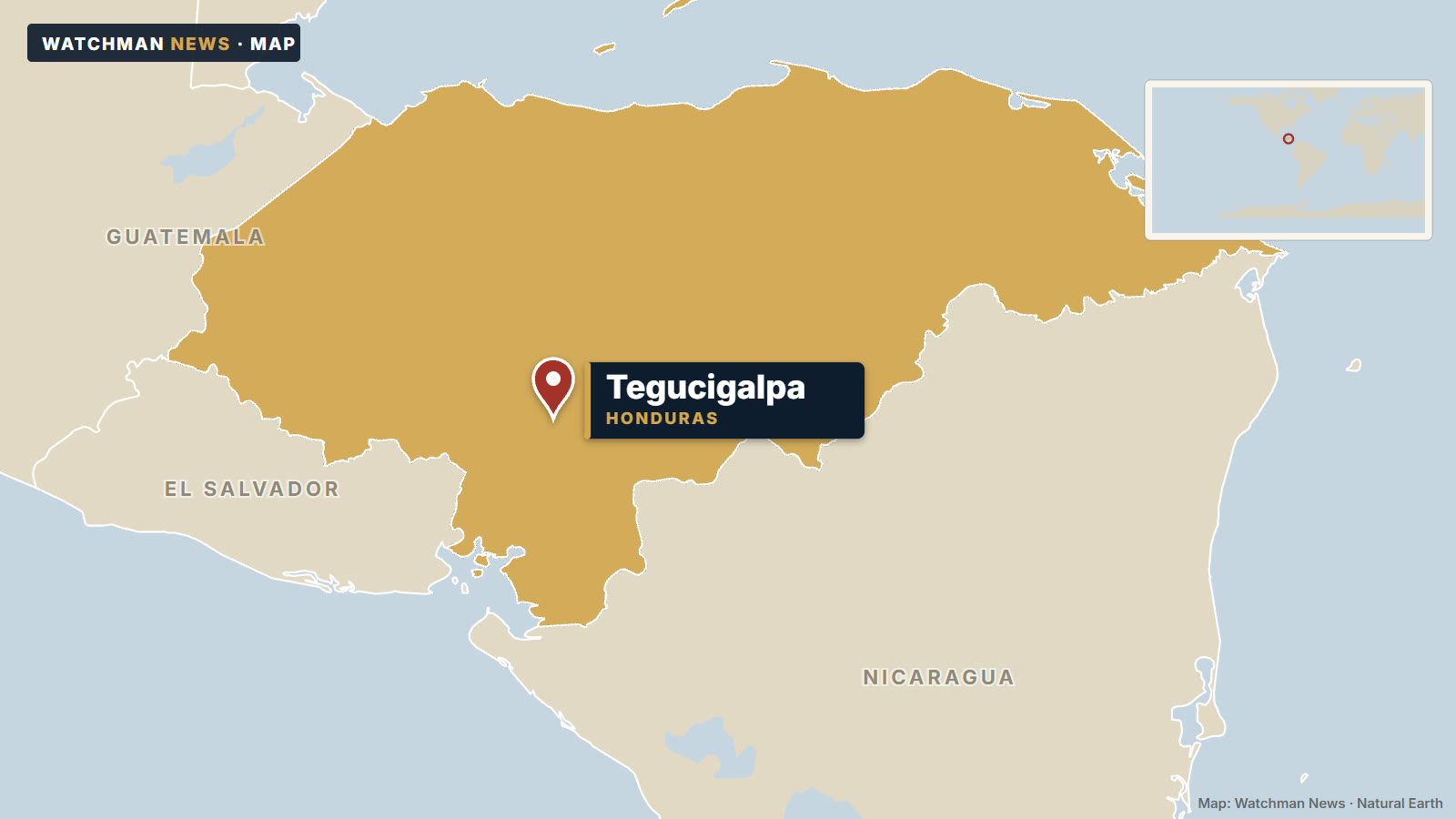 See where this is ›
Killing police, soldiers or court workers because of their duties carries life in prison. People convicted under the law cannot get parole or early release, and judges must jail suspects before trial when there are reasonable signs of guilt. Detainees can be held up to 48 hours before seeing a judge, and prison officials may hold inmates in solitary cells for up to 60 days for serious offenses. Flying a drone over a prison without permission carries four to six years, or six to eight if it is used to move forbidden items.
The law changes the Penal Code, the Criminal Procedure Code and the prison system law, and repeals an earlier decree from 2020. When Congress voted, 119 lawmakers backed it and nine members of the Libre party abstained. Honduras' Supreme Court of Justice had raised concerns about individual rights, which lawmakers mostly set aside.
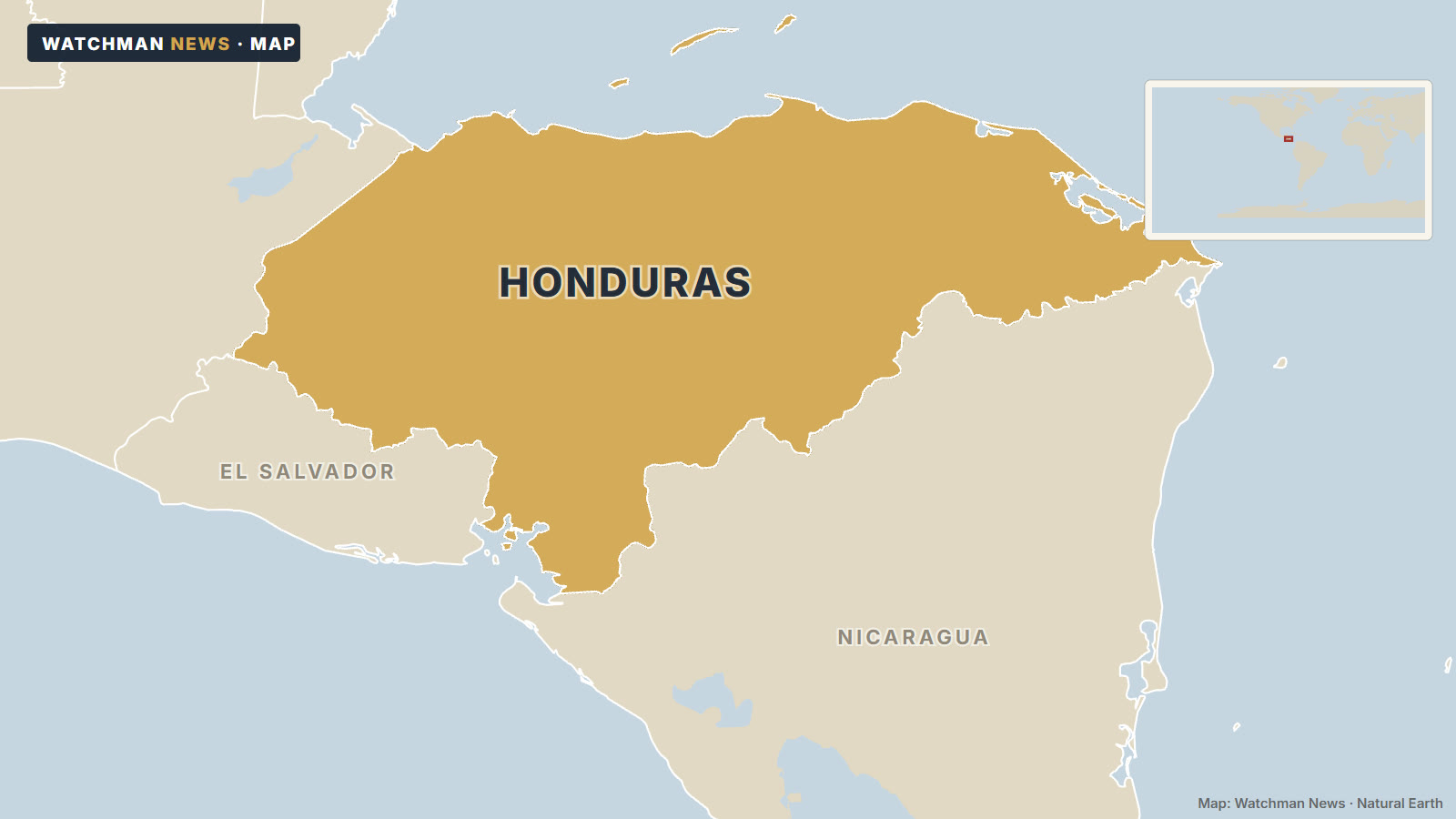 See where this is ›
What we don't know yet: La Prensa's report on the law taking effect did not give the exact date of publication in La Gaceta, and it carried no response from human rights groups or the Libre party.