Honduras Starts 4,000-Lempira Drought Payments, Plans Food for 46,500 Households in November
The aid targets families hit by crop losses in areas where many depend on what they grow to eat. The first 690 families were paid in Belén Gualcho.
 See where this is ›
BELÉN GUALCHO, Honduras —
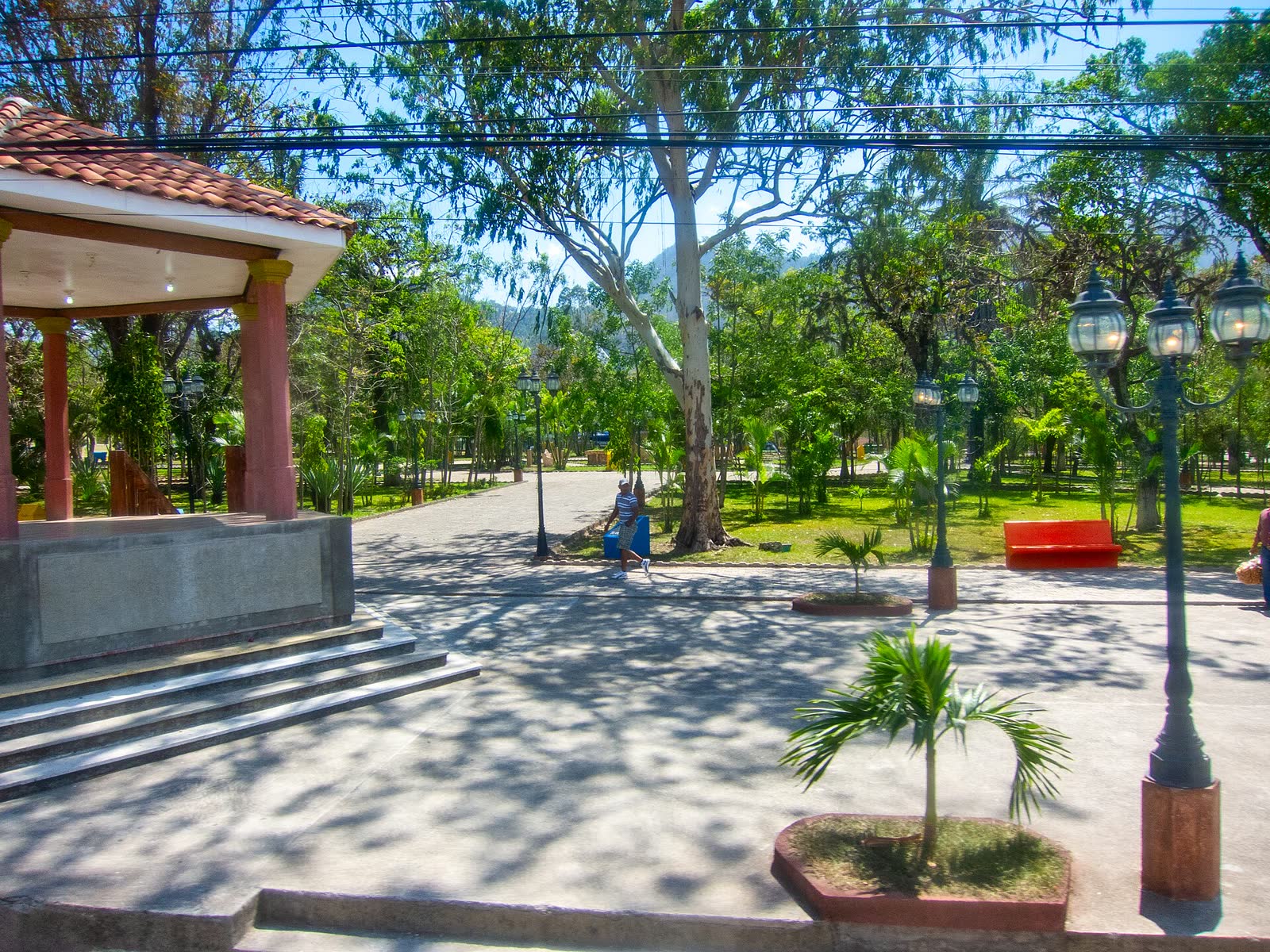
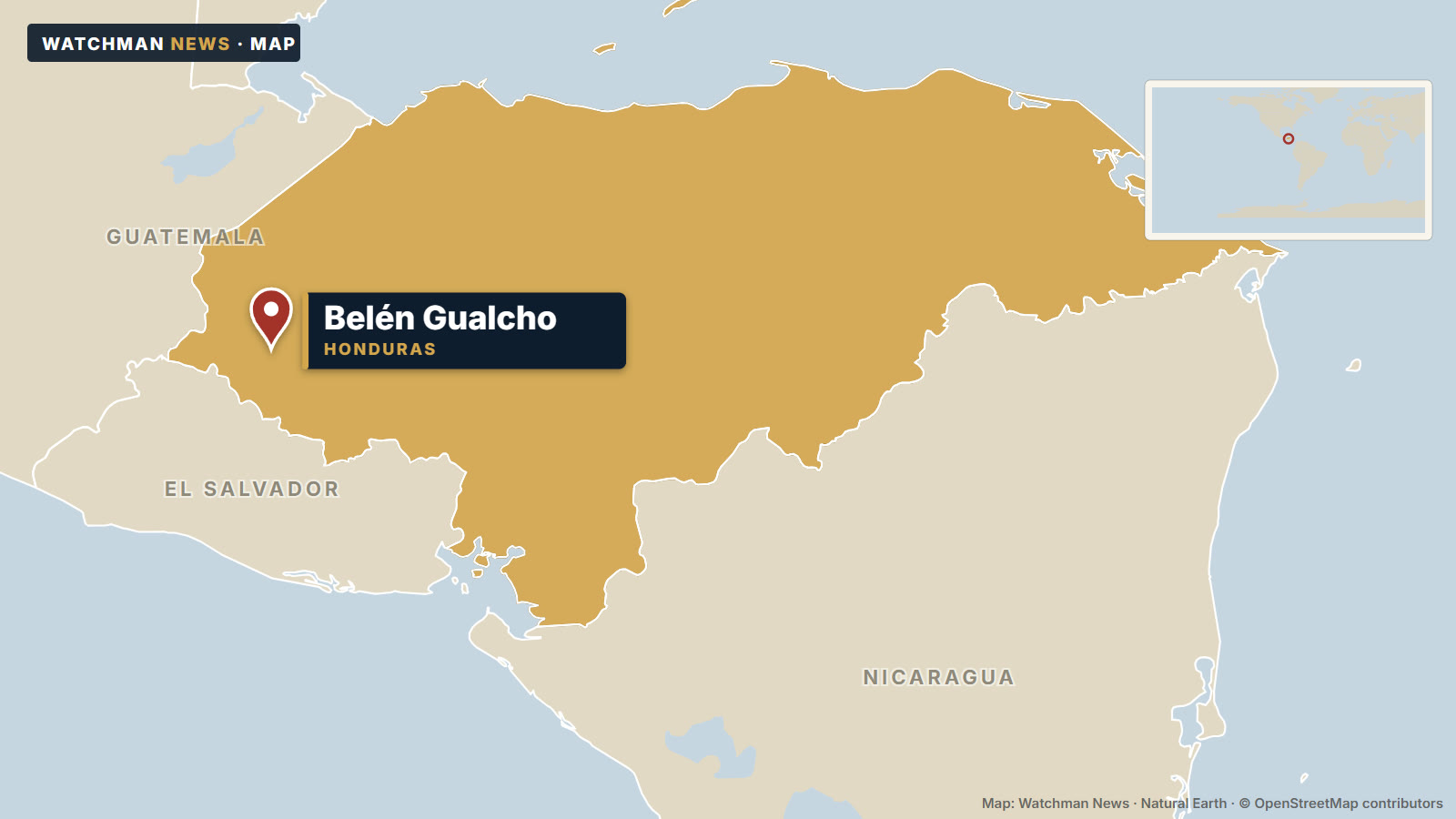
The government of Honduras has begun paying 4,000 lempiras each to families hit by drought, starting with 690 low-income families in Belén Gualcho, in the department of Ocotepeque, La Prensa reported Oct. 31. The Secretaría de Desarrollo Social, or Sedesol, launched the payment, called the Bono Honduras Nos Une, as a pilot delivery.
 See where this is ›
The program is meant to reach 8,000 families at a cost of 32 million lempiras. Vice Minister Eva López, who oversees social development regulation and coordination, led the launch with support from the United Nations Development Programme.
The next payments are set for Alubarén, La Venta, Sabanagrande, San Juan de Flores, Santa Lucía and Tatumbla in Francisco Morazán; San Marcos de la Sierra in Intibucá; and Santa Ana in La Paz. Families receive the money through service points and an electronic wallet run by the company TENGO, an arrangement meant to spread out payments and avoid crowds.
Separately, the government's Operación de Respuesta a la Sequía 2026 will deliver food to 46,500 households during November, at a cost of more than 184 million lempiras in national funds. It covers 40 municipalities in seven departments: Lempira, Intibucá, La Paz, Comayagua, Choluteca, El Paraíso and Francisco Morazán. Sedesol said it chose the areas after comparing social, economic and territorial data for all 298 municipalities in the country.
In August, Agriculture Minister Moisés Molina said families in the country's dry corridor had lost all of the crops they grow for their own use, El Heraldo reported. More than 2.2 million Hondurans live in that region. Molina said humanitarian help should come first, and he said the country faced no danger of famine.
What we don't know yet: The reports do not say when the remaining payments will be made or how many families in each town will receive them. They also do not give the number of families the drought has affected nationwide, and we found no independent figures on the crop losses.