Honduras Congress Passes Tough Anti-Gang Law With Life Terms, Some Raids Without Warrants
Lawmakers gave 119 votes in favor, with nine abstentions, to penalties of up to life in prison for gang leaders, tattoos as evidence and stricter prisons, after setting aside most of the Supreme Court's observations.
 See where this is ›
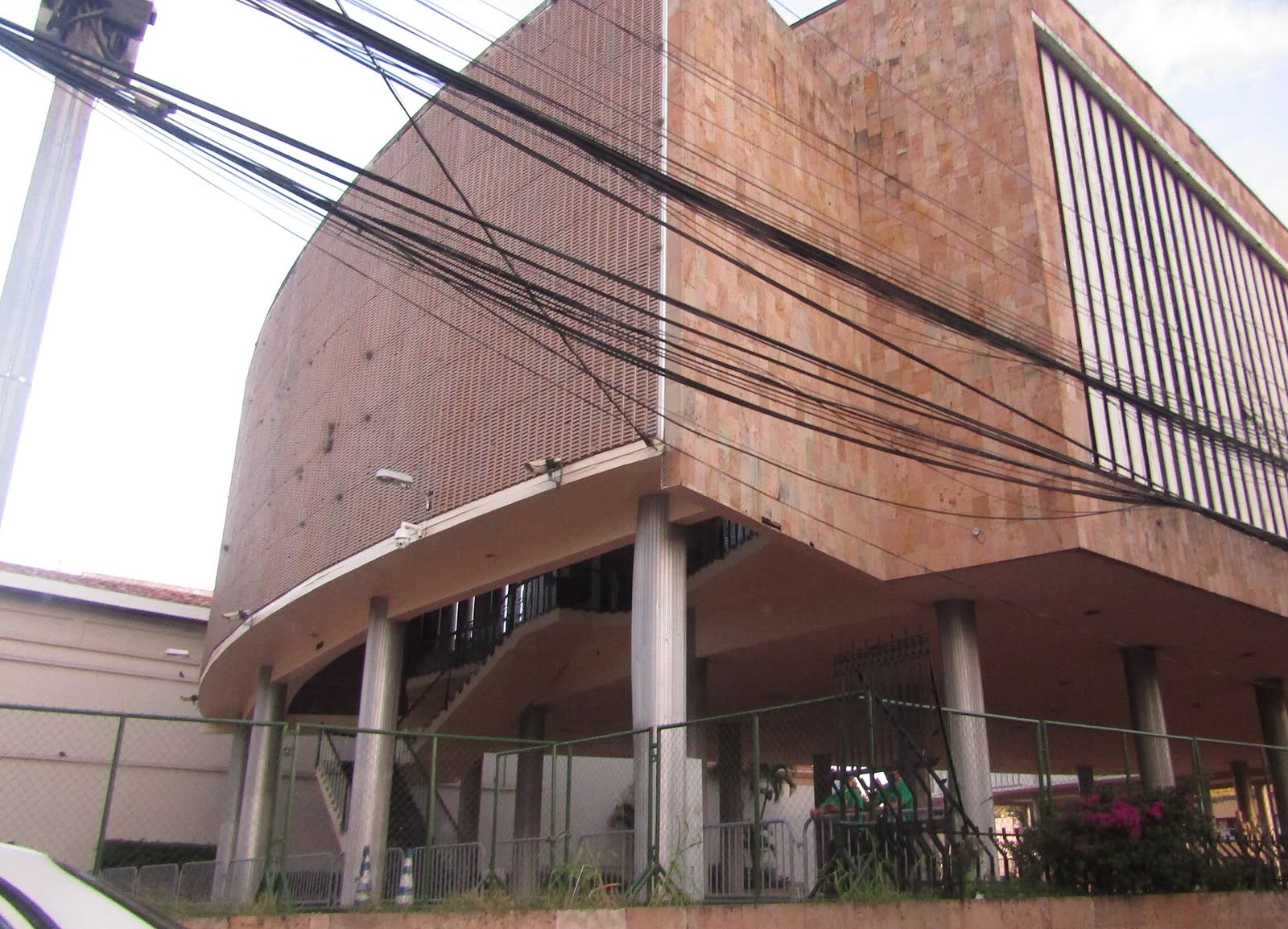
TEGUCIGALPA, Honduras —
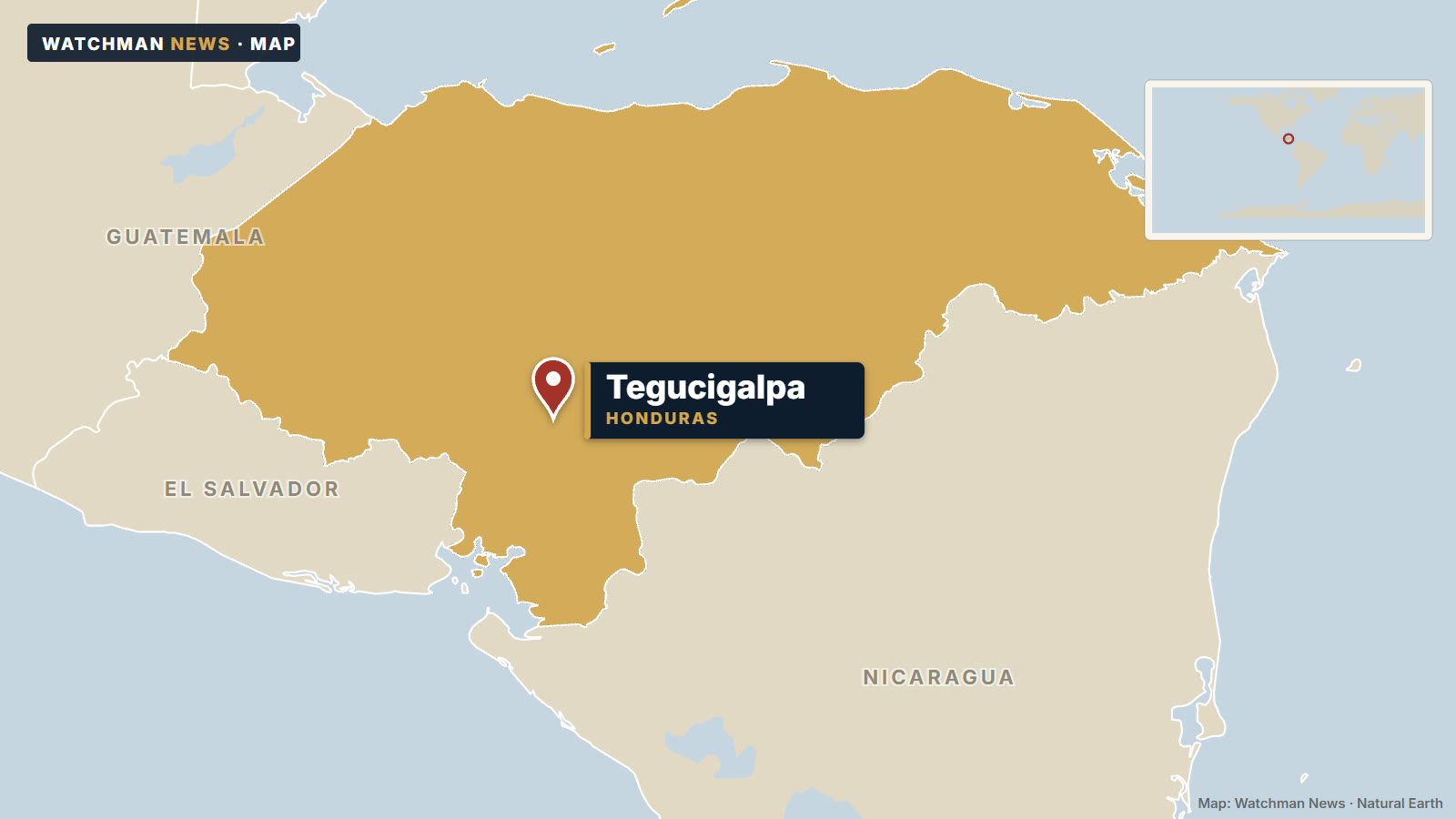
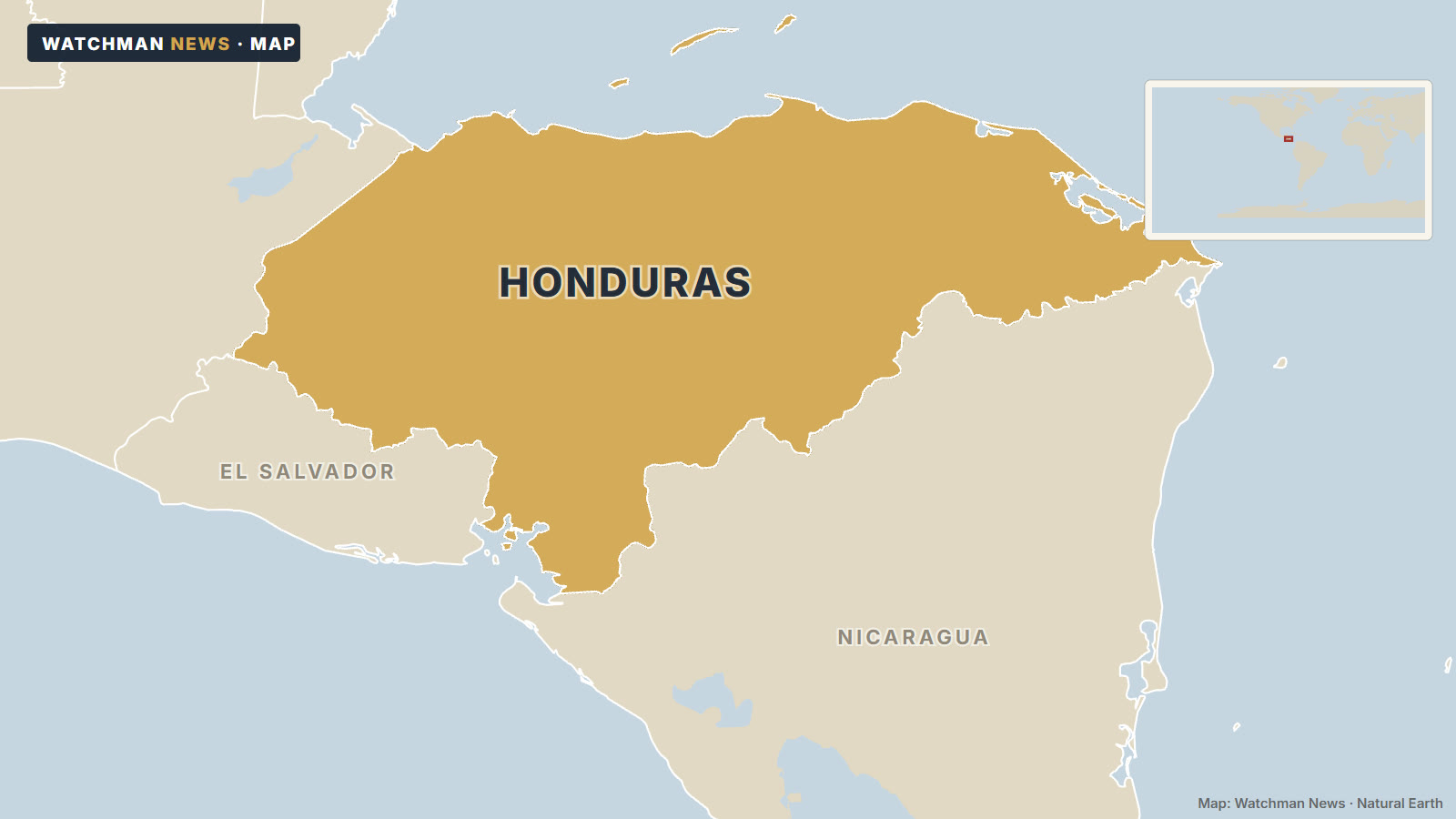
Honduras' National Congress on the night of Tuesday, Oct. 27, approved a sweeping package of criminal-law changes aimed at street gangs and other groups the law treats as terrorist associations, the Honduran newspaper La Prensa reported. The vote was 119 in favor, with nine members of the Libre party abstaining.
 See where this is ›
The law, titled the Special Law to Strengthen the Penal and Procedural Framework in the Fight Against Terrorist Associations, Maras and Gangs, sets prison terms of 40 years to life for gang leaders, promoters and financiers, 30 to 40 years for members and 20 to 30 years for collaborators who are not members. Killing police, soldiers or court officials because of their work now carries life in prison.
Gang tattoos and symbols may be used as evidence of membership when backed by a specialized technical report. In exceptional joint operations against gangs, authorities may search homes without a prior court order if there is urgency and a prosecutor coordinates the operation. Suspects in gang, drug-trafficking, kidnapping and extortion cases must be brought before a judge within 48 hours, and people charged with belonging to a terrorist association must be held in jail before trial in maximum- or high-security units.
 See where this is ›
The changes also widen the right of self-defense against intruders in a home or business, create a special prison guard force, require biometric checks for everyone entering maximum-security areas and set prison terms for flying drones over prisons. Police may remove gang graffiti from public and private property, and owners have 24 hours to remove such symbols after being notified.
Supporters called the measure necessary to restore safety. Deputy Walter Chávez told HRN radio it was “legislación enérgica” (forceful legislation) that will strengthen citizen security. Congress President Tomás Zambrano said Oct. 22 that the chamber would not adopt most of the Supreme Court of Justice's observations on the bill, calling the court's view only an opinion and adding, “Si no tomamos esa decisión, no vamos a recobrar la paz y la seguridad” (If we do not make that decision, we will not regain peace and security).
El Heraldo reported that the court's comments on the bill were more focused on individual rights. La Prensa did not report the reasons for the Libre party's abstentions. The law takes effect when it is published in the official gazette, La Gaceta, and the government has 30 days to adapt prison rules.