Guatemala Food Aid for Crop Losses Delayed as Critics Say Limits Miss Hungry Families
The government plans 689,822 family rations after drought and heavy rain, but family caps do not track food need, Prensa Libre reported.
 See where this is ›
GUATEMALA CITY, Guatemala —
Guatemala's disaster agency, Conred, plans to deliver 689,822 food rations to households that lost crops to drought and excess rain, but deliveries expected to start Nov. 2 have slipped until after the middle of the month, Prensa Libre reported Monday. The World Food Programme, which handles the purchasing, gave the later timing, according to the paper.
Each ration is meant for a family of five and holds 100 pounds of maize, 30 pounds of beans and 10 pounds of rice. The program covers 226 municipalities and costs 500 million quetzales.
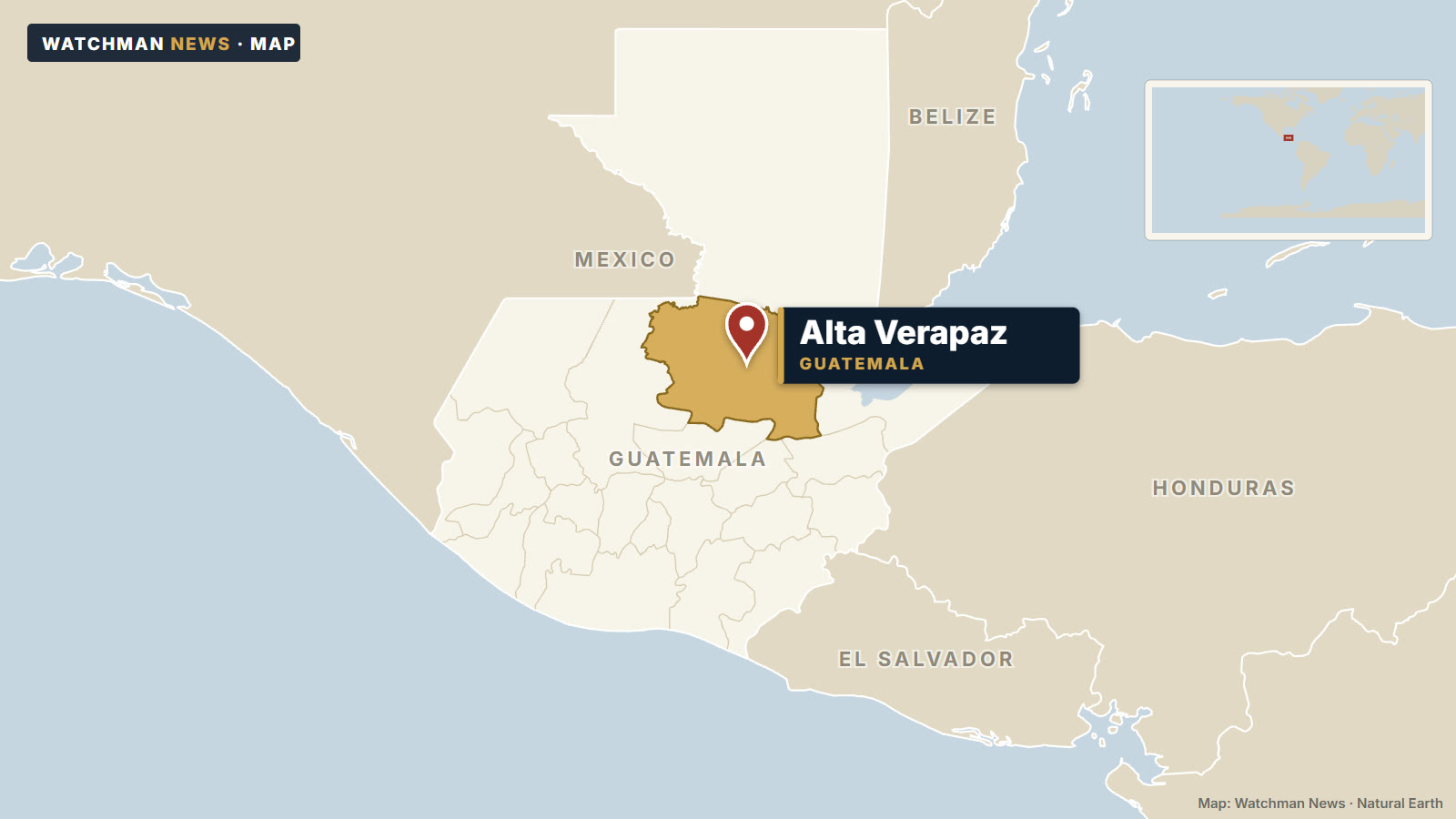 See where this is ›
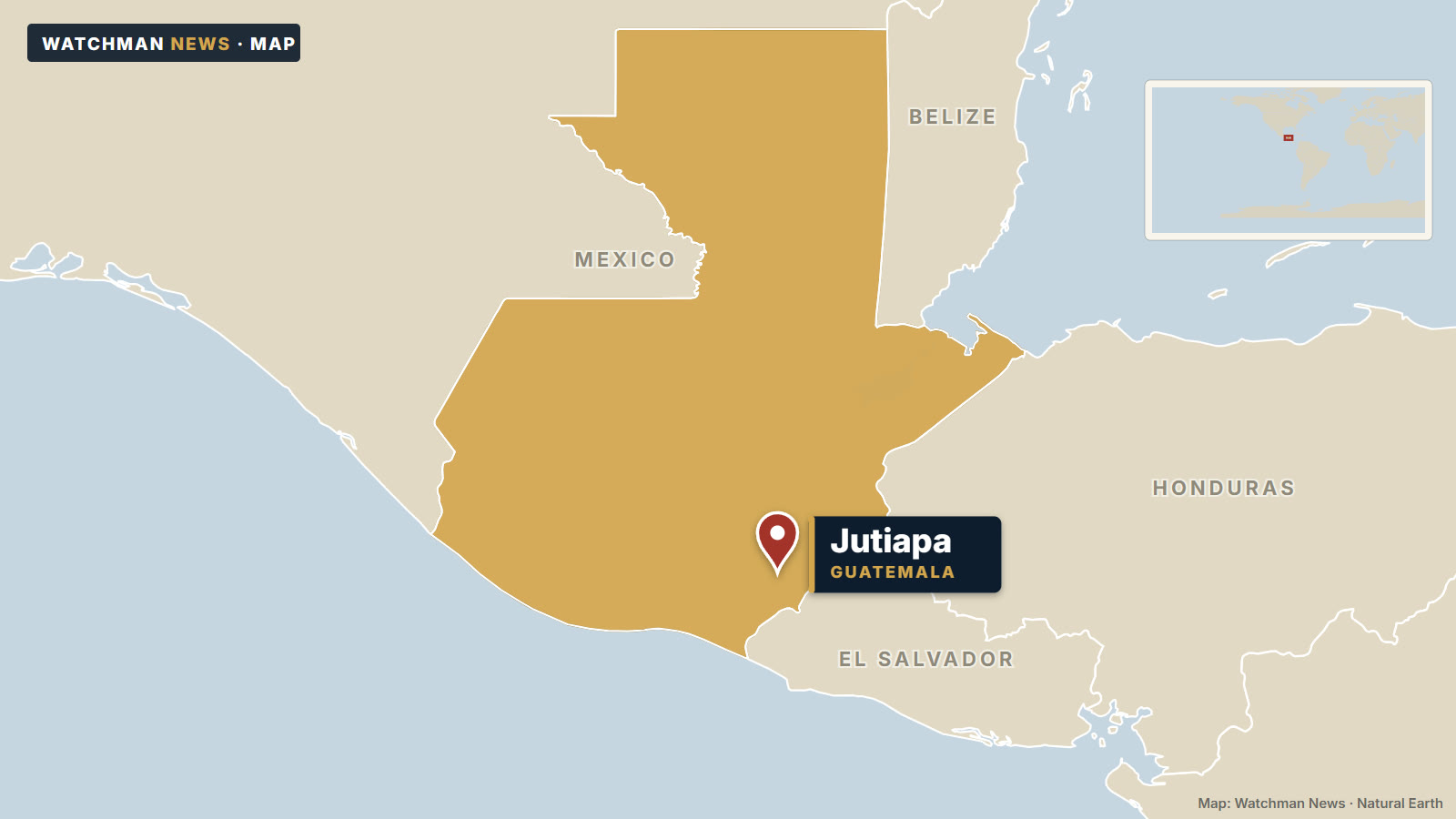
Conred Secretary Claudinne Ogaldes set maximum family numbers by department and municipality using crop-loss reports the Ministry of Agriculture, Livestock and Food has gathered since July 1. Prensa Libre found those caps do not match food need. Alta Verapaz has about 414,983 people facing food insecurity but a cap of 6,184 families, about 30,920 people. Chiquimula has about 33,345 food-insecure people and a cap of 78,768 families. Jutiapa has the highest department cap, 122,486 families, and Moyuta in Jutiapa has the highest municipal cap, 13,652 households.
Jorge Pernillo, a nutrition professor at Panamericana University, said the country is losing the chance to target the aid properly and that subsistence farmers who lost crops should come first. He said more than 80% of households in Malacatancito, Huehuetenango, lost crops, yet only 191 families were approved.
 See where this is ›
Deputy Jairo Flores, coordinator of the Parliamentary Front Against Hunger, questioned the agriculture ministry's data and warned of possible political favoritism ahead of the 2027 general elections. Celina Calvimontes, coordinator of Incopás, said the Conred aid is aimed at the drought emergency and that other programs serve people who are food insecure.
The national food security agency, Sesán, put the number of food-insecure people at 3.2 million in its latest figure, from September, and an update is due. The Comptroller General's Office and the Human Rights Ombudsman will monitor distribution, and Conred has launched a public dashboard.
What we don't know yet: The exact date deliveries will begin, and whether the caps will change. Watchman News read Prensa Libre's report and did not review Conred's figures directly.