Update: Bennett and Golan Reportedly Pledge to Recommend Eisenkot for Israeli Prime Minister
The pledges give Yashar party chief Gadi Eisenkot support within the anti-Netanyahu bloc, but neither bloc appears to have a majority after the Oct. 27 election.
 Learn more ›
JERUSALEM, Israel —
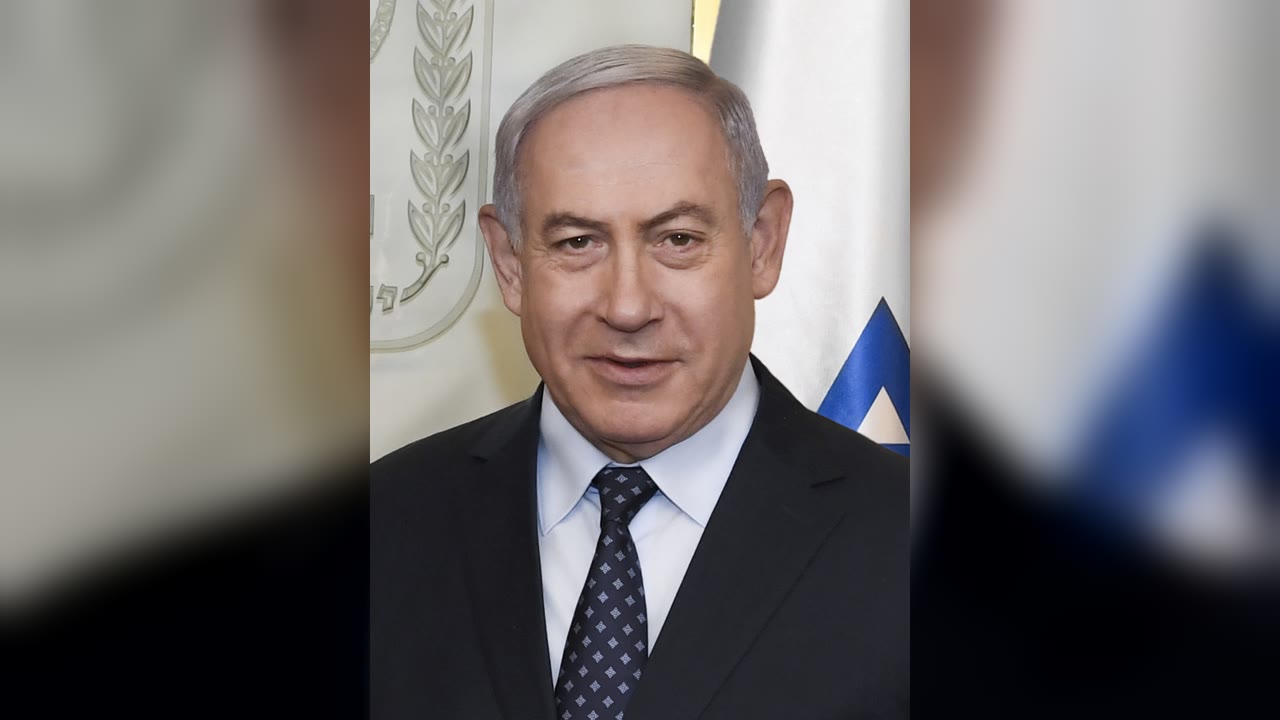
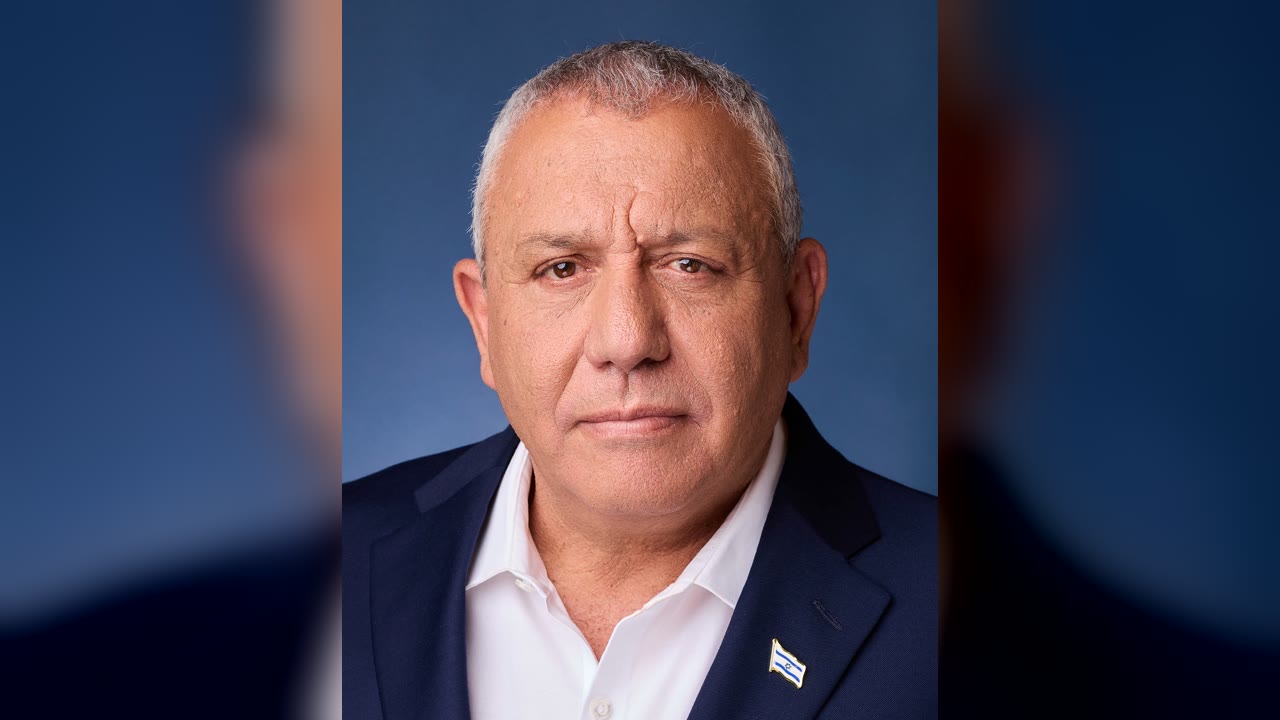
Naftali Bennett, leader of B'Yachad, and Yair Golan, leader of The Democrats, have reportedly pledged to recommend Yashar party chief Gadi Eisenkot as prime minister when they meet Israeli President Isaac Herzog, The Times of Israel reported. A B'Yachad statement said Bennett “made it clear throughout the election campaign that he would respect the decision of the voter.”
 Learn more ›
Yashar won 21 seats in the Oct. 27 election and B'Yachad, whose No. 2 is Yair Lapid, won 12. The Democrats have eight seats and Avigdor Liberman's Yisrael Beytenu has seven, making up the four-party bloc opposed to Prime Minister Benjamin Netanyahu. Neither that bloc nor Netanyahu's appears to have a majority, the newspaper said. Netanyahu's Likud won 27 seats, All Israel News reported.
Eisenkot met Liberman on Saturday. Ynet reported that Liberman criticized Eisenkot's push for a minority government backed by Arab parties. Kan reported that Netanyahu associates said there will be no unity-government talks while efforts continue to replace Knesset Speaker Amir Ohana of Likud, and that Eisenkot associates said joining a Netanyahu government is “not on the table.”
 Learn more ›
United Torah Judaism, led by Yaakov Asher, met Sunday and is considering not recommending anyone for prime minister. The party said it had received no concrete offer from Eisenkot. U.S. Ambassador Mike Huckabee said it would be “troubling” to include Arab lawmakers who have not condemned the Oct. 7 attack.
Herzog, who has publicly backed a unity government with Netanyahu, will meet representatives of every faction in the incoming Knesset and decide whom to task with forming a government. The new Knesset is scheduled to be sworn in Nov. 10, All Israel News reported.
 Learn more ›
What we don't know yet: Which coalition path the bloc will choose. The Times of Israel described three, one backed by Arab parties, one relying on Haredi parties and a unity government with Likud, and said each would require breaking electoral promises. A Shin Bet investigation into alleged foreign involvement in the election is ongoing, and its findings are not yet known.