Arizona State Provost Rejects Appeal From Professor Who Says Dean Called His Teaching 'Too Christian'
Tenured professor Owen Anderson says a lowered review and reduced merit pay amount to religious discrimination. The sources reported no response from the university.
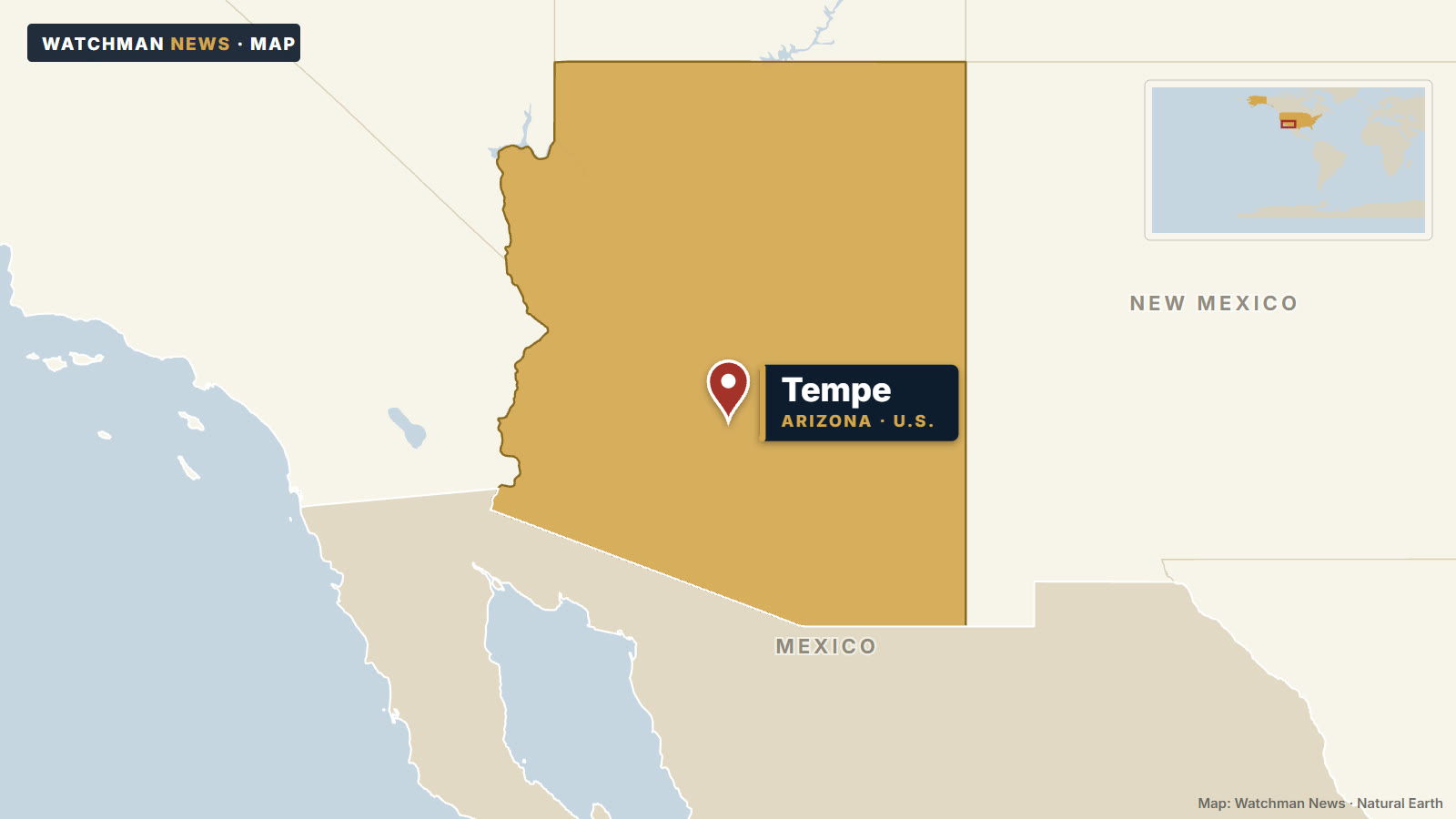 See where this is ›
TEMPE, Ariz. —
Owen Anderson, a tenured professor of philosophy and religious studies at Arizona State University, says the school's provost has rejected his appeal of a performance review that he says penalized him for Christian teaching. Decision Magazine, published by the Billy Graham Evangelistic Association, reported the decision Oct. 27, and The Baptist Paper followed Oct. 29. Anderson has taught at ASU for more than two decades.
Anderson says the dean of his college deducted points from his annual review in May and cut his merit pay, saying his 2025 teaching was too Christian. He says the evidence was “five quiz questions out of more than 80, along with two negative student evaluations.” The questions he cites include “Why is knowing God the highest good?” and “What is the relationship between God and morality?” The dean and the provost are not named in the reports.
In an Oct. 27 column for Blaze Media, Anderson wrote that one of the courses, a philosophy class on death and dying, was developed with ASU's online specialists and approved by the university before he was penalized. He calls the treatment harassment and religious discrimination, and he believes future reviews could be used to fire him despite his tenure. Decision reported that he has no further appeal in the review process.
Anderson is separately suing ASU over its required diversity, equity and inclusion training, which he argues violates Arizona law. He wrote that his attorneys argued before the Arizona Supreme Court on Sept. 1. Decision reported that the court has not yet ruled on whether he has legal standing to bring the case.
What we don't know yet: The reports rest on Anderson's own account, and neither includes a statement from ASU. Watchman News has not seen the review or the provost's decision and could not independently confirm the dean's reasoning. No termination proceeding has been reported, and it is not established whether the review is connected to the lawsuit.