Angola Requires 60,000 Signatures to Register a Church, Leaving Many Pentecostal Congregations Unrecognized
At an African church symposium in Nairobi, church leaders raised Angola's rules as a religious-freedom concern. Open Doors says unregistered churches struggle to get land and building permits.
 See where this is ›
NAIROBI, Kenya —
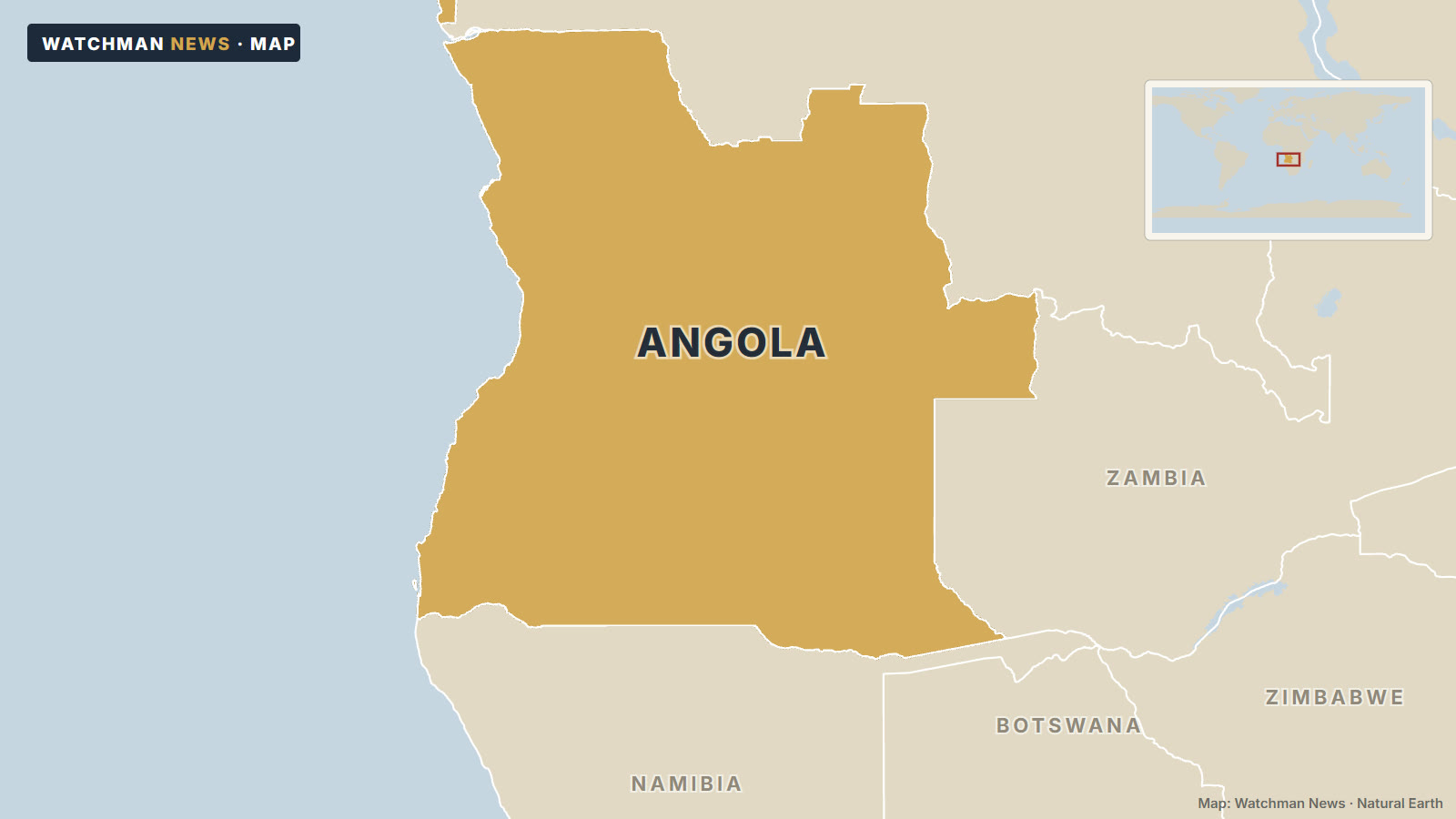
Under Angola's church registration rules, a group must collect 60,000 signatures before the government will recognize it, a hurdle church leaders say leaves many Pentecostal and newer congregations without legal standing, Christian Daily International reported Oct. 27. The issue came up at the All Africa Conference of Churches' seventh annual theological symposium, held Oct. 5-8 in Nairobi, Kenya, under the theme “Freedom of Belief and Persecution in Africa.”
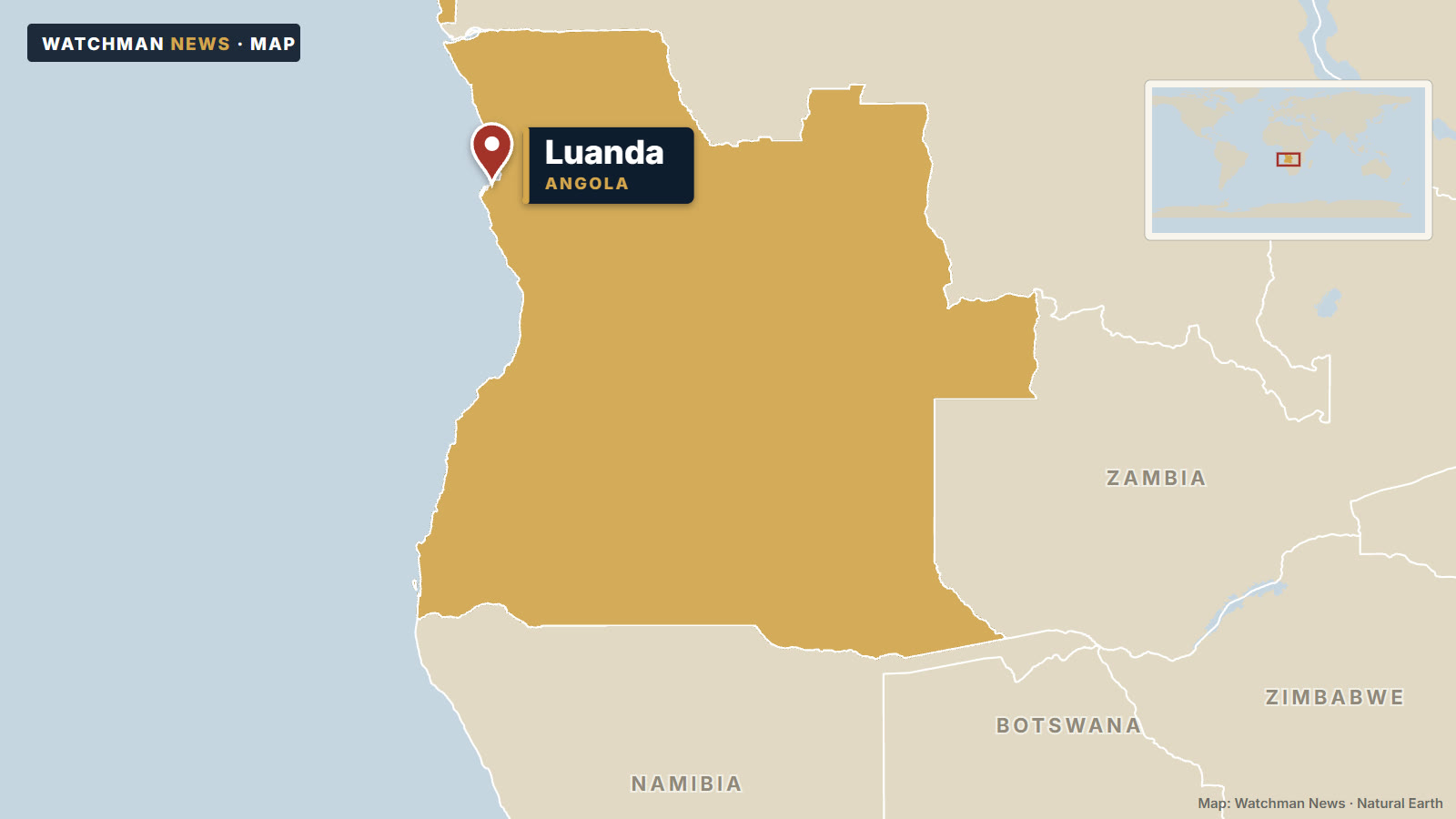 See where this is ›
Angola's Law on Religious Freedom and Worship, approved in May 2019, requires the signatures to come from eligible residents, with at least 1,000 from each of the country's 18 provinces. Every signature and residency declaration must be notarized separately. Groups must also document their structure, worship activities, finances and planned building projects.
Recognition matters in daily church life. It gives a church legal status, lets it hold property as a body and brings certain tax exemptions. A 2023 U.S. State Department report said the Angolan government estimated that more than 1,200 religious groups were unregistered, while 88 were recognized.
Open Doors said in a 2025 analysis that the rules have left many Pentecostal and nontraditional churches unregistered, making it hard for them to obtain land and permission to build places of worship. “Registration remains one of the most challenging problems faced by thousands of Christian church groups in the country,” the ministry wrote.
At the symposium, Rev. Quelende Adriano, who presented on Angola, warned that high membership requirements can push emerging and minority religious communities to the margins. AACC General Secretary Rev. Fidon Mwombeki pointed to forms of persecution that draw less attention than physical attacks. Rev. Lesmore Ezekiel, speaking for Mwombeki, urged participants to seek justice for the oppressed, drawing on Isaiah 1:16-17.
Illia Djadi of the Arise Africa campaign noted that most African constitutions protect freedom of belief. “The liberty of belief is guaranteed in the constitutions of many African countries,” he said. Participants argued that any state oversight of churches should be proportional, open and fair to all.
Christian Daily noted that the symposium did not establish that every unregistered group in Angola has faced persecution.