Archaeologists Locate Lost Fourth-Century Church Near Venice Described in Jerome's Letters
Excavators at ancient Altino say they have found, with high confidence, the bishop's church that Jerome wrote about in A.D. 396, along with what may be the bishop's house.
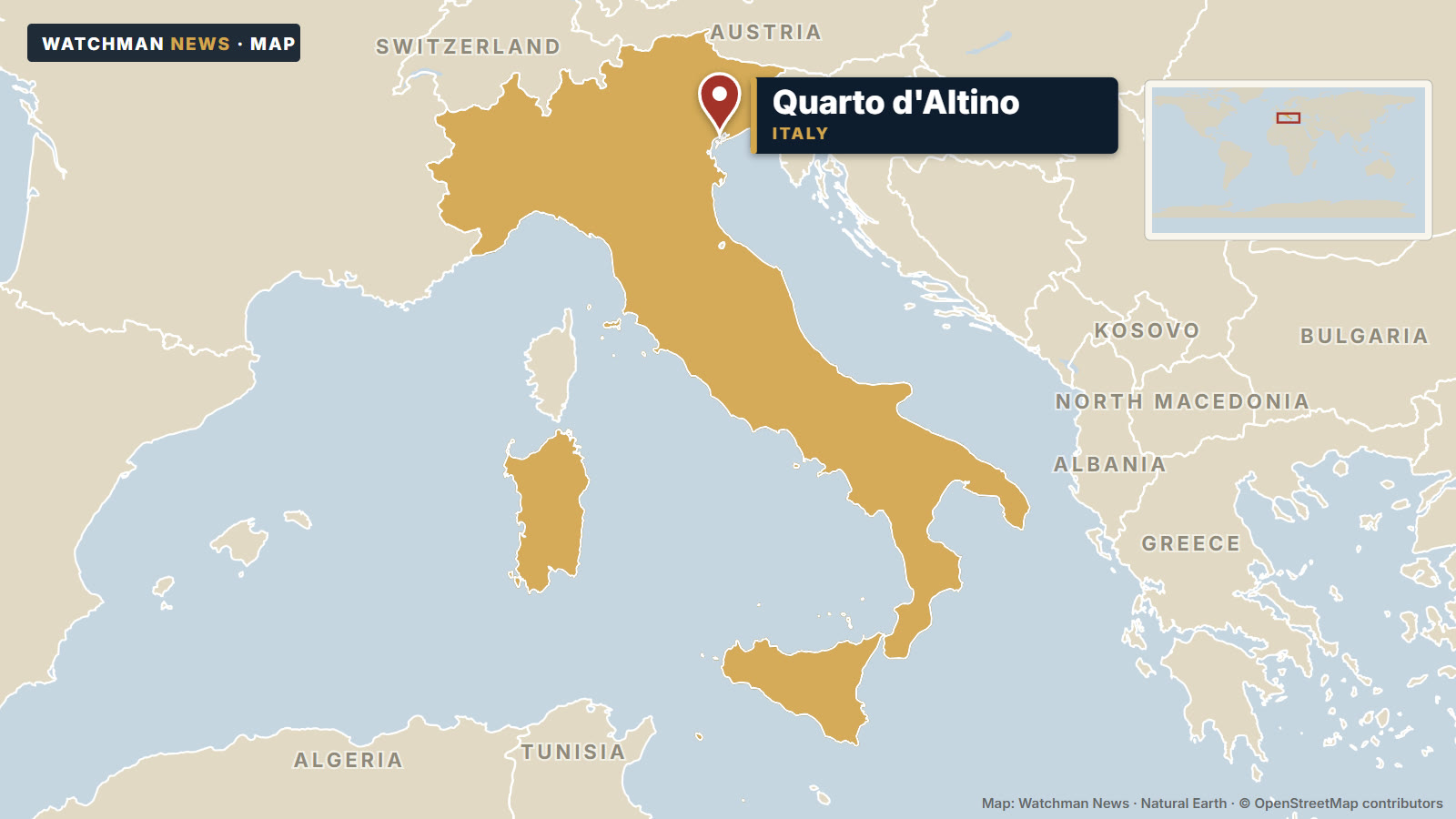
 See where this is ›
ALTINO, Italy —
Archaeologists in northern Italy say they have found the early Christian church of ancient Altino, a church known until now mostly from a letter Jerome wrote in A.D. 396. Ca' Foscari University of Venice announced the find after digs in September and October, and The Christian Post reported it Oct. 26.
 See where this is ›
The church was a rectangular hall about 30 by 20 meters, or roughly 98 by 66 feet, facing east and without a rounded apse. Its foundations date from the late fourth century to the first half of the fifth. East of it stood a large building with a portico and side rooms that researchers believe was the bishop's palace.
“For the first time, we can say with a very high degree of confidence where the church and the bishop's palace of Altino stood,” said excavation director Diego Calaon, a professor at Ca' Foscari. The dig was co-directed by Elisa Possenti of the University of Trento and carried out with the National Archaeological Museums of Venice and the Lagoon.
In Letter 60, Jerome wrote of Heliodorus, Altino's first bishop, and his nephew Nepotian, a young priest. Jerome described how Nepotian cared for the church, its altar, walls, floors and sacred vessels. The university says the newly found foundations match that time.
 See where this is ›
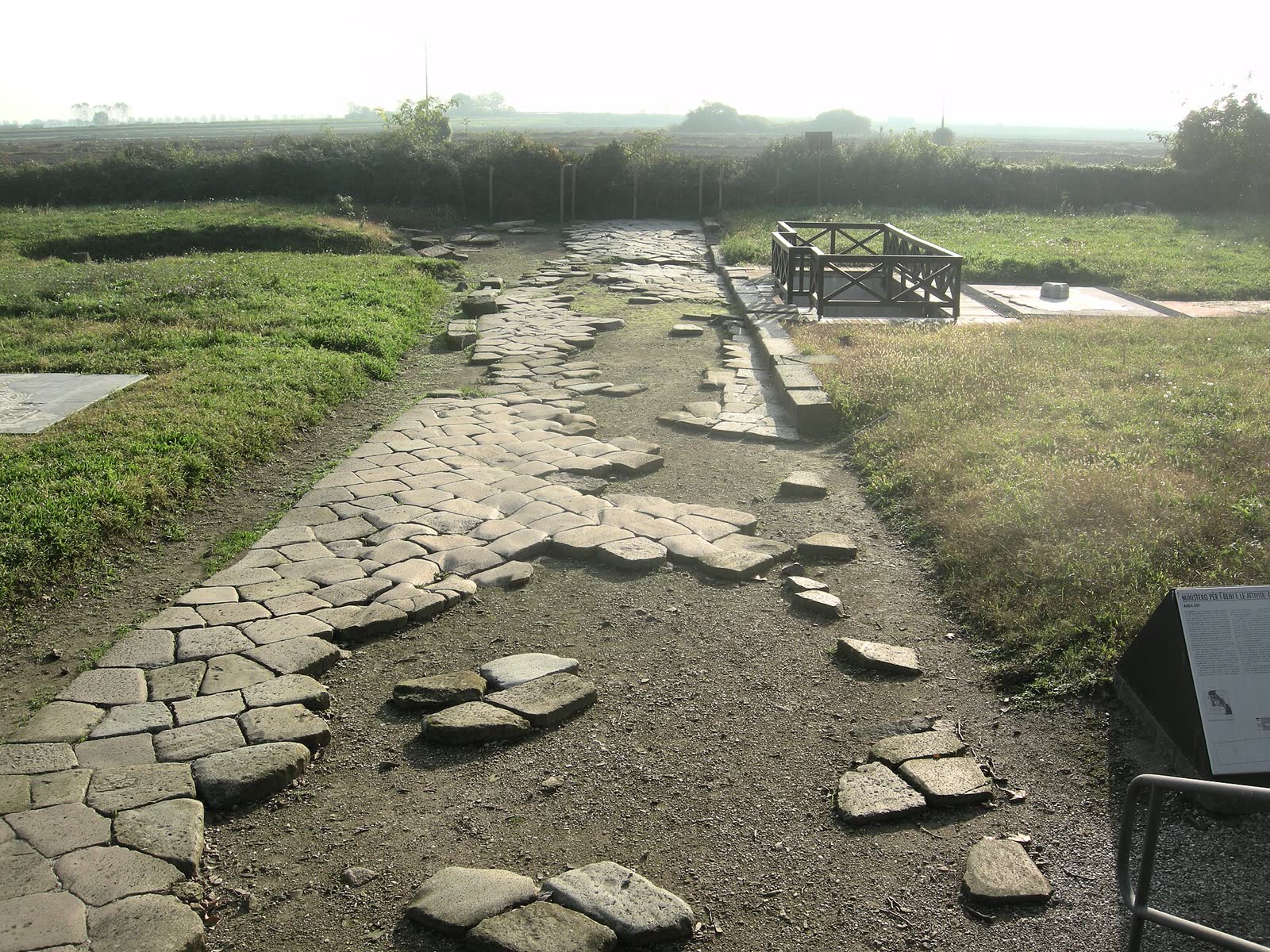
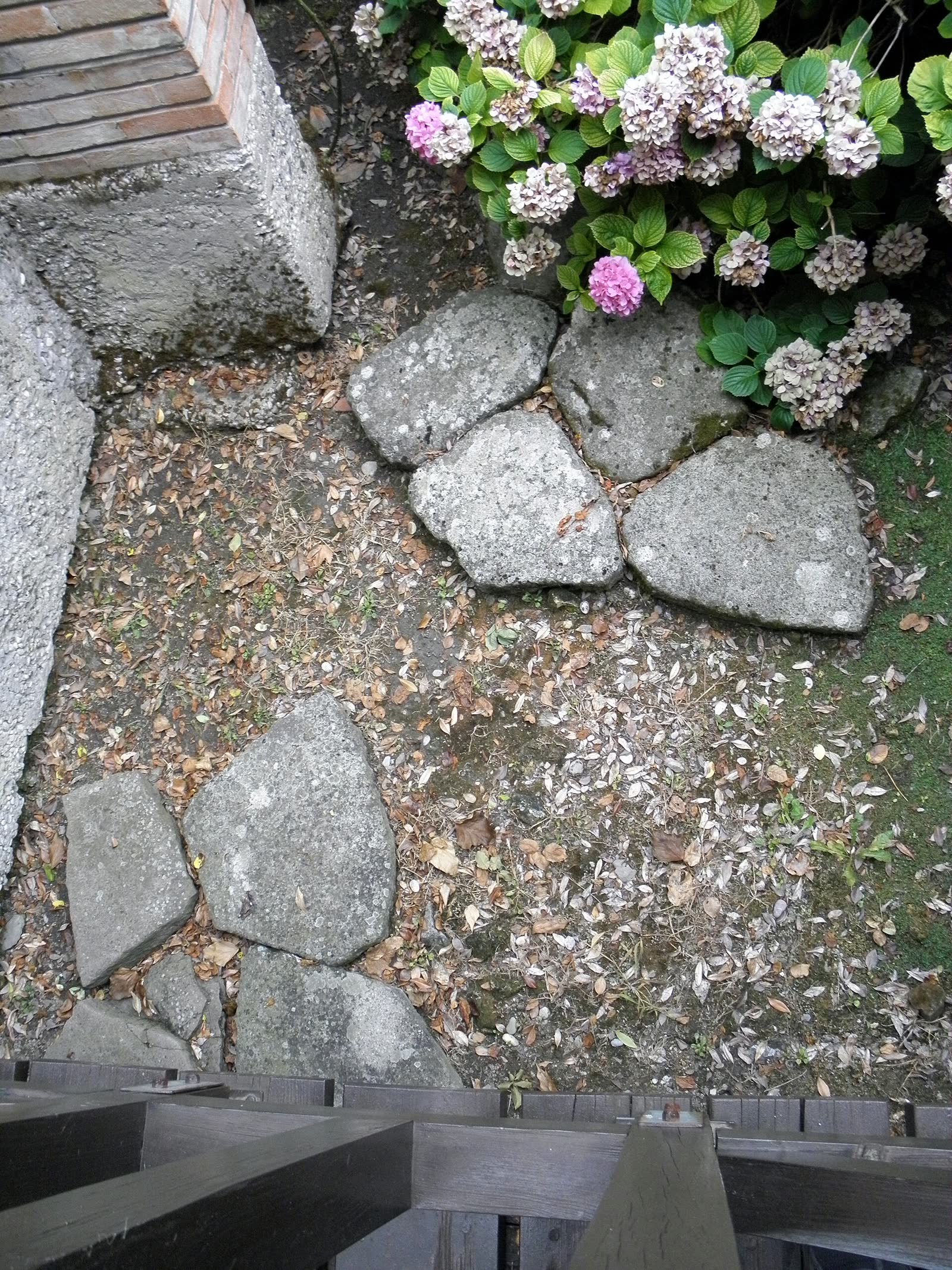
Little of the building survived. Farming and the hauling away of stone for Torcello and Venice left mostly empty trenches where walls once stood, and a provincial road now runs through the middle of the church. The builders had laid paving stones taken from Roman roads upside down in the foundations, which the researchers see as a sign of the bishop's public authority.
The church was taken apart by the first half of the seventh century, when the bishop's seat moved to the island of Torcello, which earlier Ca' Foscari digs show served as Altino's port. An inscription at Torcello is dated A.D. 639.
 See where this is ›
The church's baptistery has not been found. The team plans radiocarbon dating, study of the finds and human remains, and ground surveys of the rest of the city block to look for it.