West Virginia High Court Ends Revived Suit by 33 Churches Trying to Leave the UMC With Their Buildings
The justices ruled that civil courts cannot decide the churches' claims that conference officials misled them about how to leave, because the questions turn on church law.
 See where this is ›
CHARLESTON, W.Va. —
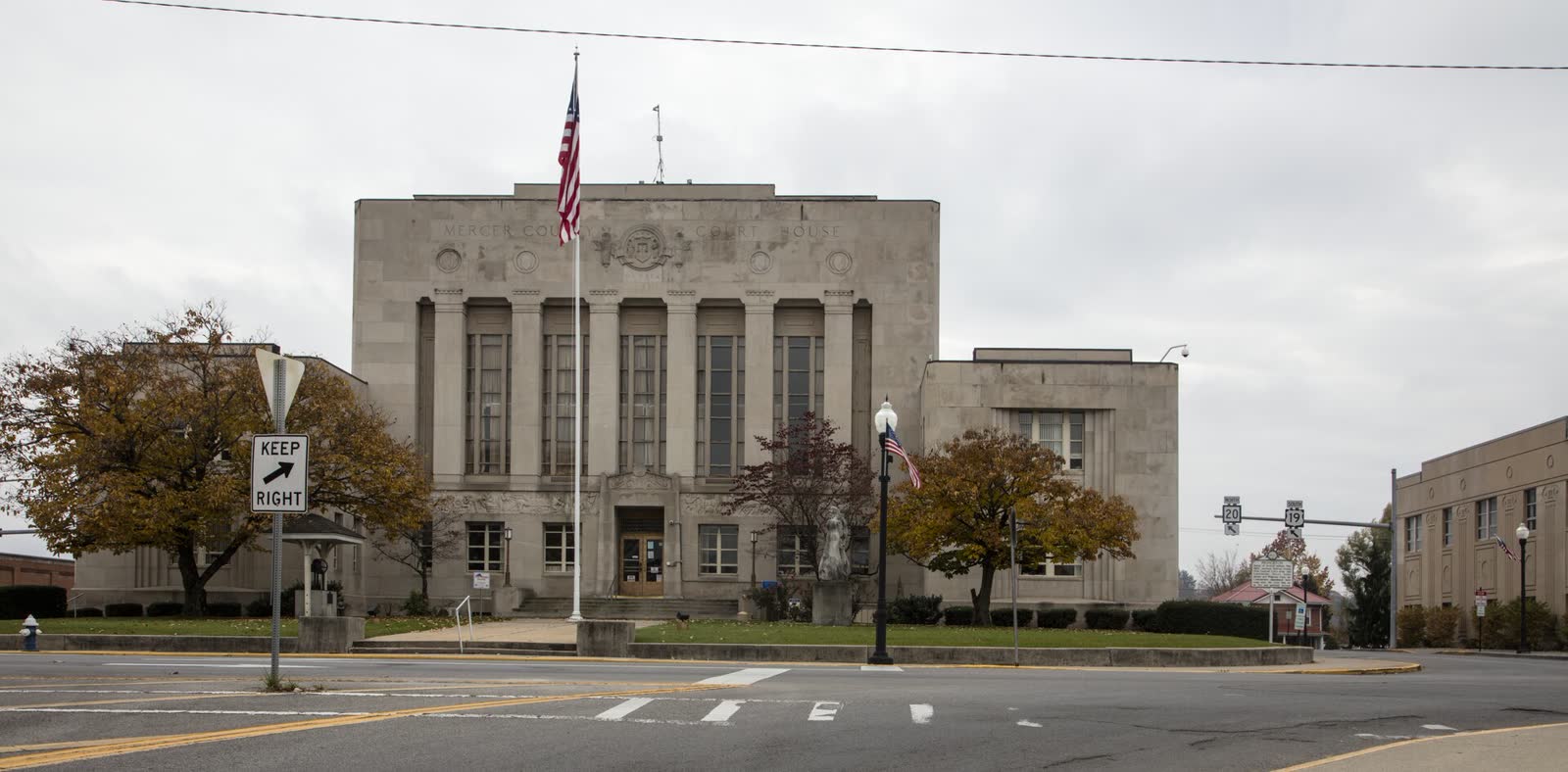
The Supreme Court of Appeals of West Virginia has stopped a lawsuit by 33 local United Methodist churches that want to leave the denomination and keep their church property. In an opinion filed Wednesday, Nov. 4, the court granted the West Virginia Conference of the United Methodist Church a writ of prohibition, blocking a Mercer County judge's order that had reopened the case.
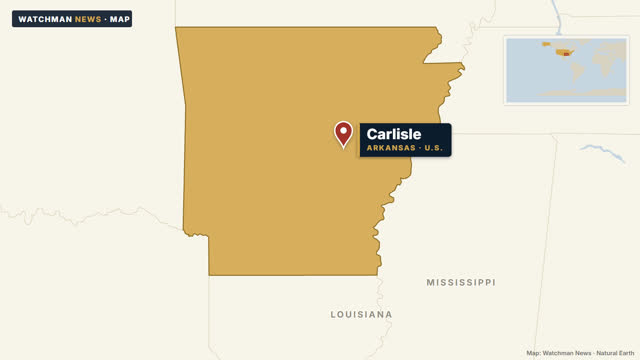
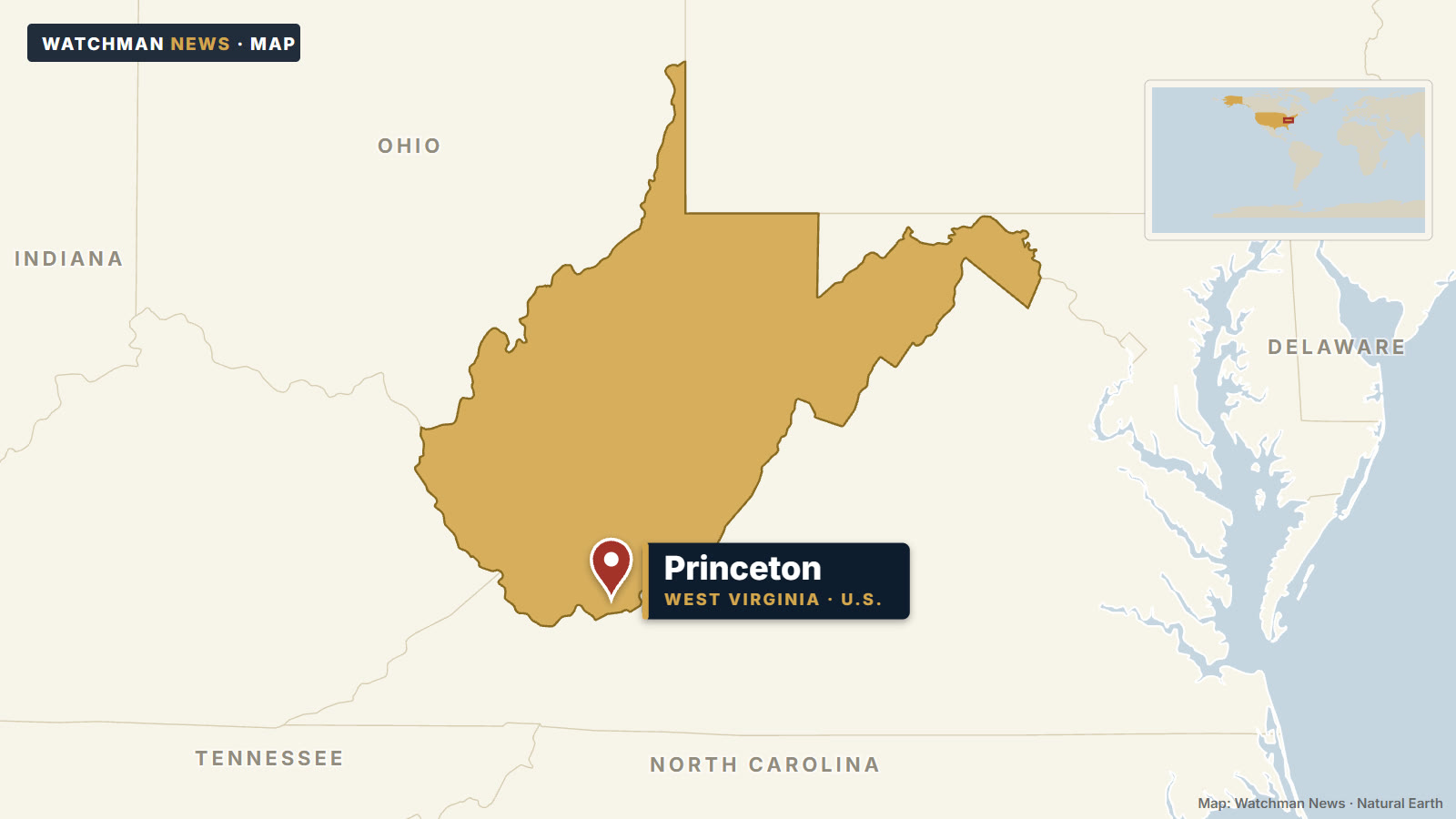 See where this is ›
The churches sought to leave over the denomination's changes on the ordination of homosexual clergy and same-sex weddings, the opinion says. Under the UMC's “Trust Clause,” local church property is held in trust for the whole denomination. A temporary rule, Paragraph 2553, let congregations leave with their buildings for reasons of conscience, but it expired Dec. 31, 2023.
In their complaint, the churches said conference representatives told them in or around August 2022 that they did not qualify to leave under Paragraph 2553, that they need not decide before the May 2024 General Conference, and that they could later leave with property under Paragraph 2549. The churches say they relied on that advice and waited. In October 2024, the UMC's Judicial Council ruled that Paragraph 2549 could not be used to leave the denomination. The churches then sued, alleging fraud, collusion, breach of fiduciary duty, breach of contract and other claims.
“Plaintiff Churches, in good faith, trusted Defendants and waited until after May 2024,” the churches said in a court filing, as quoted by Juicy Ecumenism, the blog of the Institute on Religion and Democracy. They are represented by David C. Gibbs III of the Gibbs Law Firm in Largo, Fla., along with West Virginia lawyers in Princeton and Bluefield. The conference is represented by the Jackson Kelly law firm.
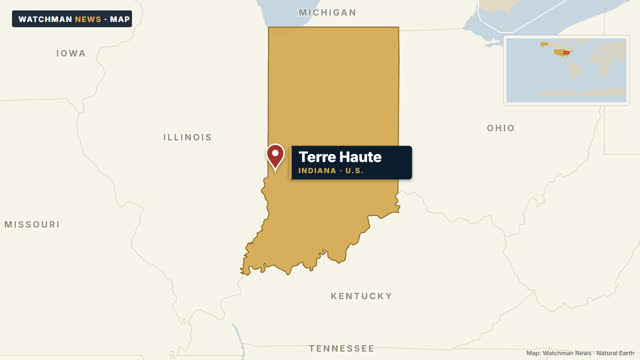
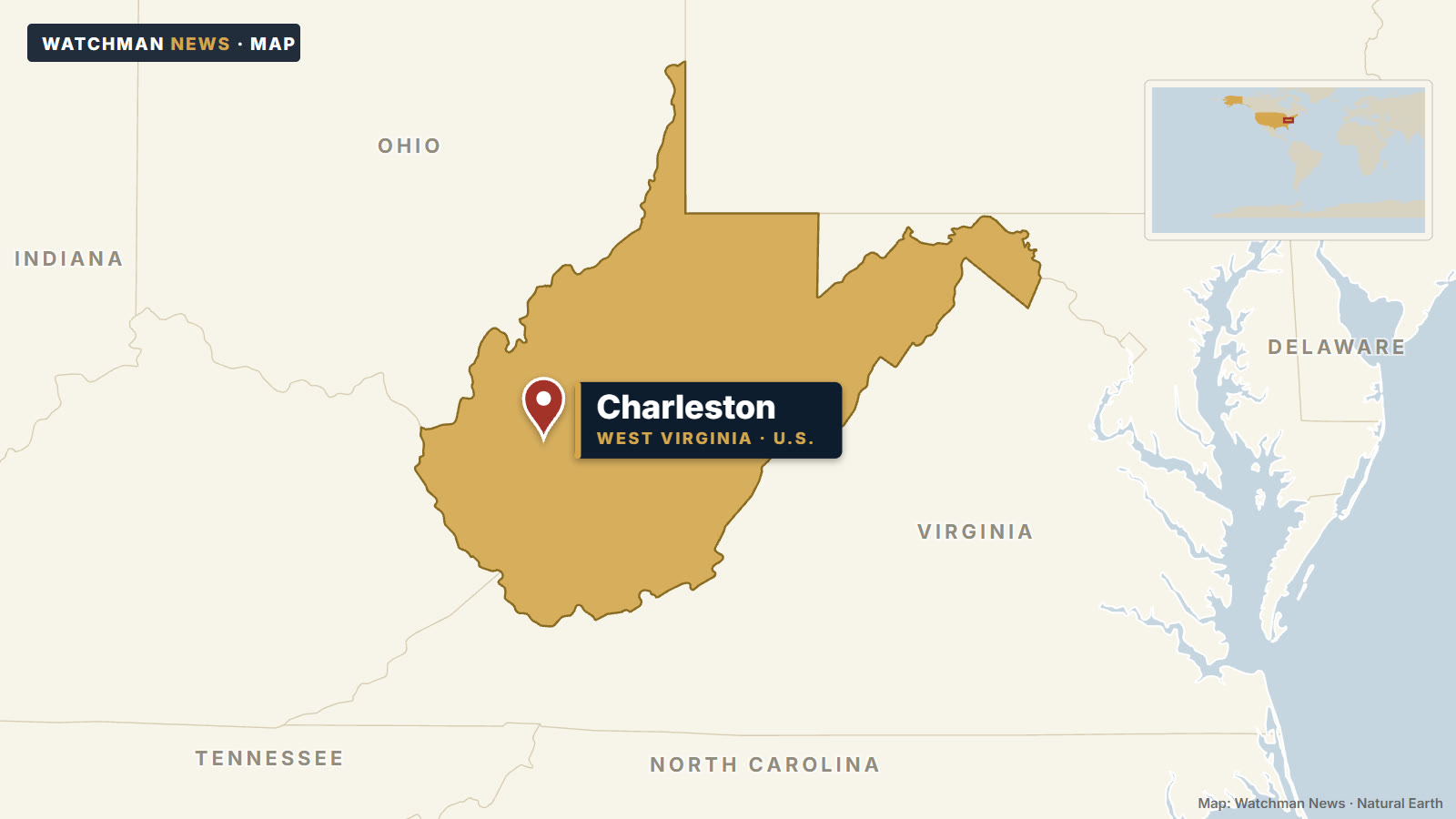 See where this is ›
The Circuit Court of Mercer County first dismissed the suit, ruling it lacked power to hear a church-law dispute. After the case was reassigned, Judge Mark Wills granted the churches' motion to reconsider in a March 13, 2026, order and reopened the case, finding the fraud claims raised questions for a jury. The conference then asked the state's highest court to step in.
Writing for the court, Justice Charles S. Trump IV said the fraud the churches alleged did not involve how a final church ruling was obtained, which is the only narrow exception West Virginia law recognizes. “Those allegations therefore do not bring this case within the narrow exception to ecclesiastical abstention recognized in our law,” he wrote. Deciding the claims, the opinion says, would require a civil court to decide whether the conference read the Book of Discipline correctly, a question the First Amendment and the West Virginia Constitution leave to the church.
The ruling (No. 26-198) leaves the original dismissal in place and says the Mercer County court “lacks authority to proceed.” The Christian Post, citing UM News, reported that more than 7,600 mostly theologically conservative churches left the UMC from 2019 to 2023, including 24 in West Virginia.
What we don't know yet: Neither the churches nor the conference had publicly commented on the ruling in the reports we reviewed, and the churches' next step, if any, is not known. The individual churches are not named in the reports or the opinion's caption, apart from Madison United Methodist Church, whose town is not given.