Update: Lake Yojoa Begins to Fall, but Honduran Families Still Wait to Go Home
About 15 communities around Santa Cruz de Yojoa were hit by the lake's historic rise. Some families are in school shelters, and some say help has been slow.
 See where this is ›
SANTA CRUZ DE YOJOA, Honduras —
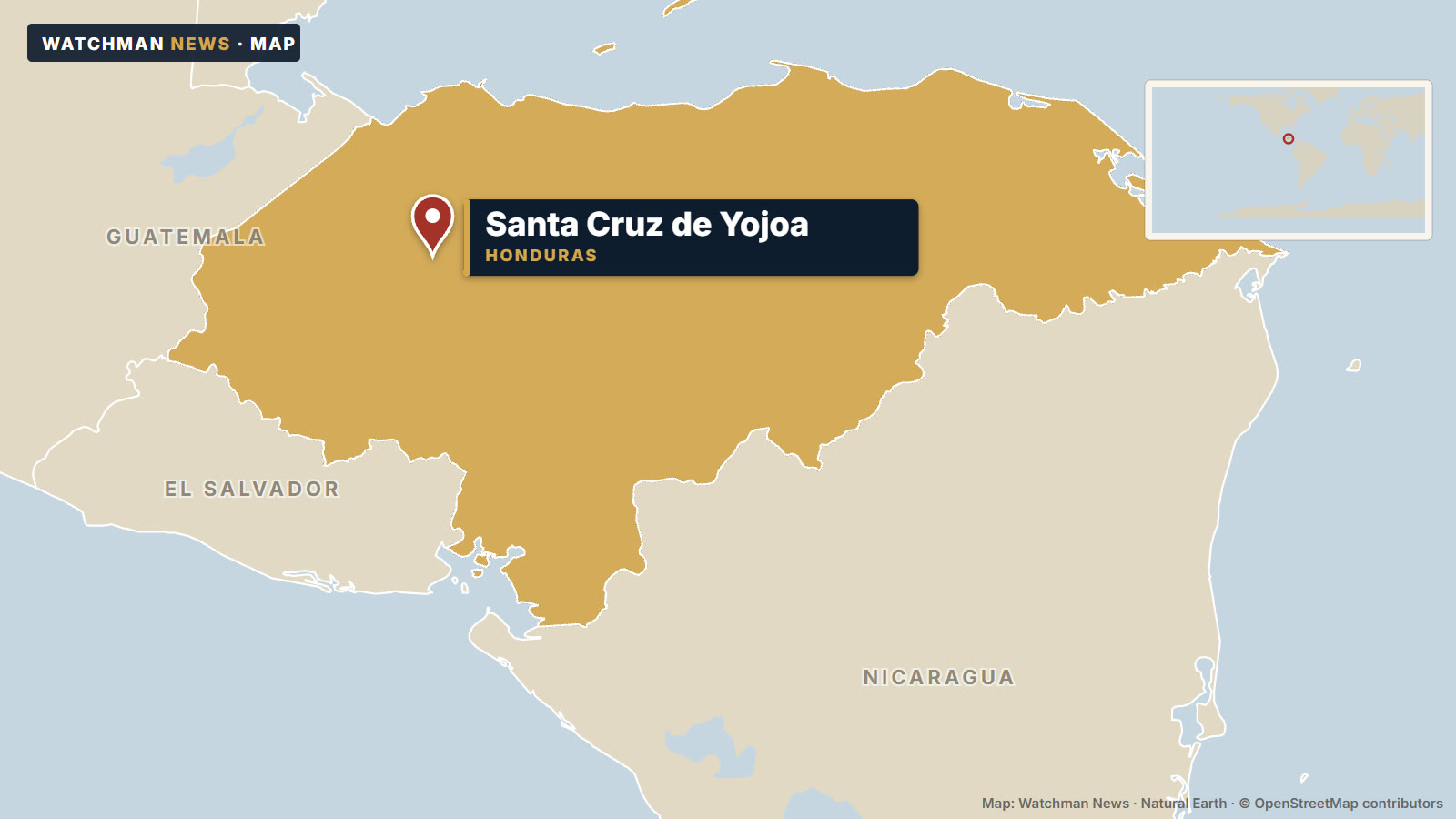
The water of Lake Yojoa in west-central Honduras has started to go down after weeks of flooding, but dozens of families around Santa Cruz de Yojoa are still waiting to return to their homes, the Honduran newspaper La Prensa reported in a story updated Nov. 9.
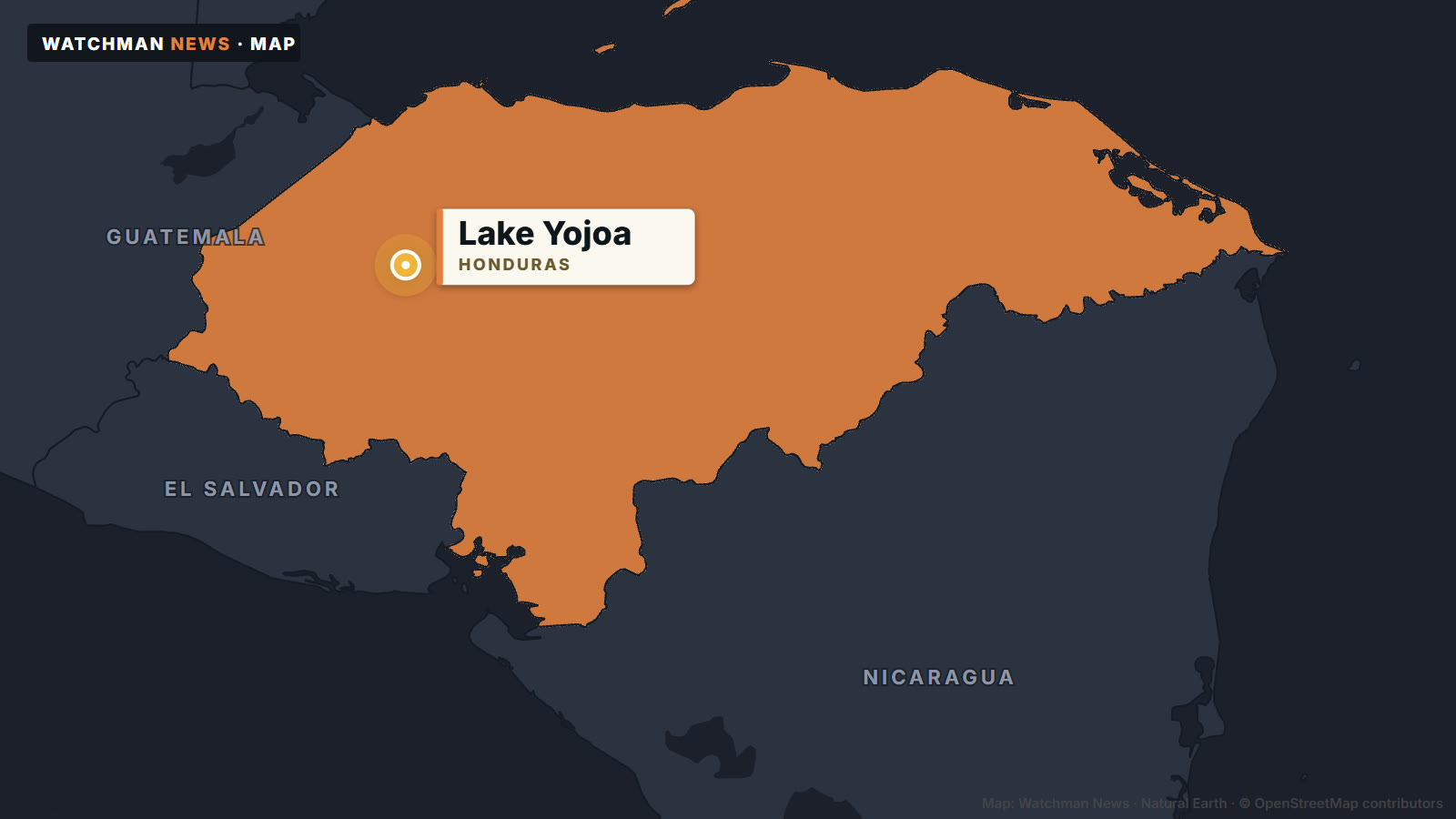 See where this is ›
La Prensa called the flood a historic rise of the lake. About 15 communities were affected, and in some places the water spread about 2 kilometers (about 1.2 miles) past the lake's usual shore. Several families were evacuated. Some moved in with relatives or to other towns, some built makeshift shelters, and in some communities authorities moved people into schools set up as temporary shelters and delivered supplies. The paper did not give a count of families still displaced, and no deaths were reported.
In La Guama, residents told La Prensa they got little help from town officials and moved their belongings themselves. The water cut the road from La Guama to Peña Blanca; the town government and the national Secretariat of Infrastructure and Transport filled it with volcanic rock. In El Jaral, sandbags were laid and some residents moved about 150 meters (about 500 feet) from their homes. A few weeks ago the water came within a few meters of the CA-5 highway, the paper said.
The flood also reached Los Naranjos Archaeological Park on the lake's shore, passing the Polines bridge and covering several areas of the park. Authorities closed the park Oct. 21, and it has not reopened; museum pieces were taken to Tegucigalpa for safekeeping.
Luis Enrique Posadas, deputy director of preparedness and response for Copeco, Honduras' disaster agency, told La Prensa the lake sits in a naturally rainy zone. Families now face the work of assessing the damage to homes, roads and businesses.
Copeco said Monday that a trough would bring weak to moderate rain showers, heaviest in the country's east and southwest, and warned people not to cross swollen rivers or streams and to take care on roads prone to landslides.
What we don't know yet: La Prensa did not say how many families remain out of their homes or when the archaeological park will reopen. Watchman News is not aware of reports on how churches in the area were affected.