Sierra Leone Begins Giving Hepatitis B Vaccine to Newborns Within Hours of Birth
About 1.1 million Sierra Leoneans live with hepatitis B. Health officials aim to reach some 360,000 babies a year with a dose given at birth, rather than waiting until six weeks.
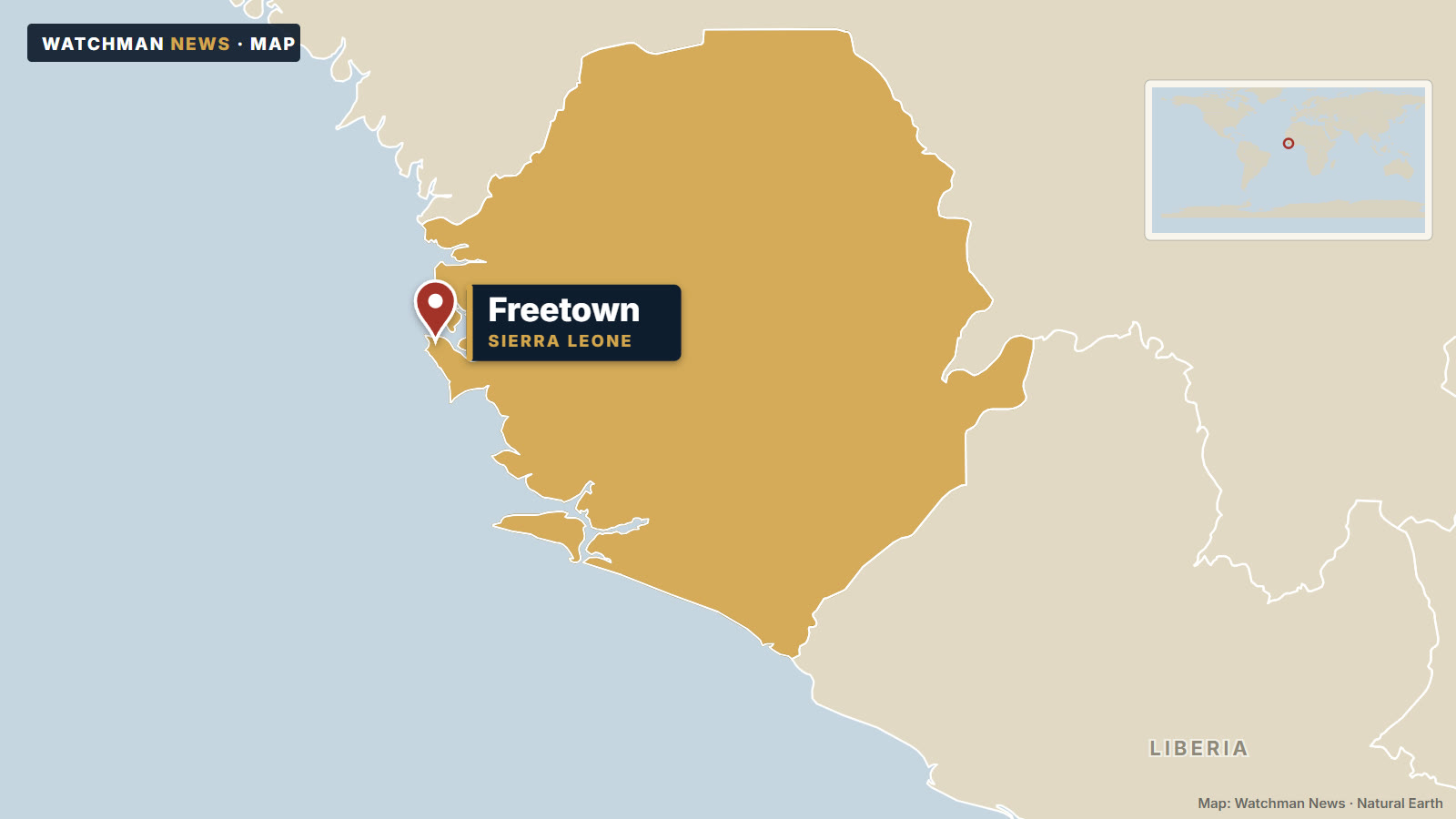 See where this is ›
FREETOWN, Sierra Leone —
Sierra Leone's Ministry of Health planned to add a hepatitis B vaccine dose for newborns to the country's routine immunizations starting Friday, Nov. 20, the Sierra Leone Telegraph reported. Officials announced the rollout at a media briefing on Wednesday, Nov. 18.
Hepatitis B is a liver infection. The ministry put national prevalence at 13.8%, or about 1.1 million people, with the highest rate, 16.6%, among people ages 30 to 44. Five of the country's 16 districts carry about half the burden, the paper reported. Up to 90% of babies infected in their first year can develop a chronic, lifelong infection.
Sierra Leone has given hepatitis B-containing vaccines since 2007, but the routine schedule starts at six weeks, with more doses at 10 and 14 weeks. The new dose is best given within 24 hours of birth, and the ministry advises parents to have babies vaccinated within 72 hours. The country records about 400,000 births a year, and officials expect to reach about 360,000 newborns.
Deputy Minister of Health Professor Charles Senesie said the dose is meant to protect children from infection at the earliest possible stage, according to the Telegraph. Dr. Thompson Igbu, who leads immunization work for the World Health Organization in Sierra Leone; Macia Palking, senior country manager for Gavi, the vaccine alliance; and Liv Elin Indreiten, UNICEF's deputy representative in Sierra Leone, also took part. Gavi is contributing more than $240,000 toward buying the vaccine and the government about $60,000.
The ministry stressed that the vaccine prevents hepatitis B but does not treat people already infected. Officials said they had tested their public messages in Kroo Bay, King Harman Road and Ross Road in Freetown, the capital, and that families can report side effects at the nearest health facility or by calling the national emergency number, 117.
What we don't know yet: Watchman News could not find a separate official confirmation that the launch went ahead on Nov. 20; the ministry's and WHO Africa's news pages had not posted on it when we checked.