Alabama Tops, Michigan Trails in New State-by-State Ranking of Laws Protecting Churches
Napa Legal Institute's fourth Faith and Freedom Index grades all 50 states on how their laws treat churches, religious schools and faith-based nonprofits. Some of the rules that matter most are not the headline issues.
 See where this is ›
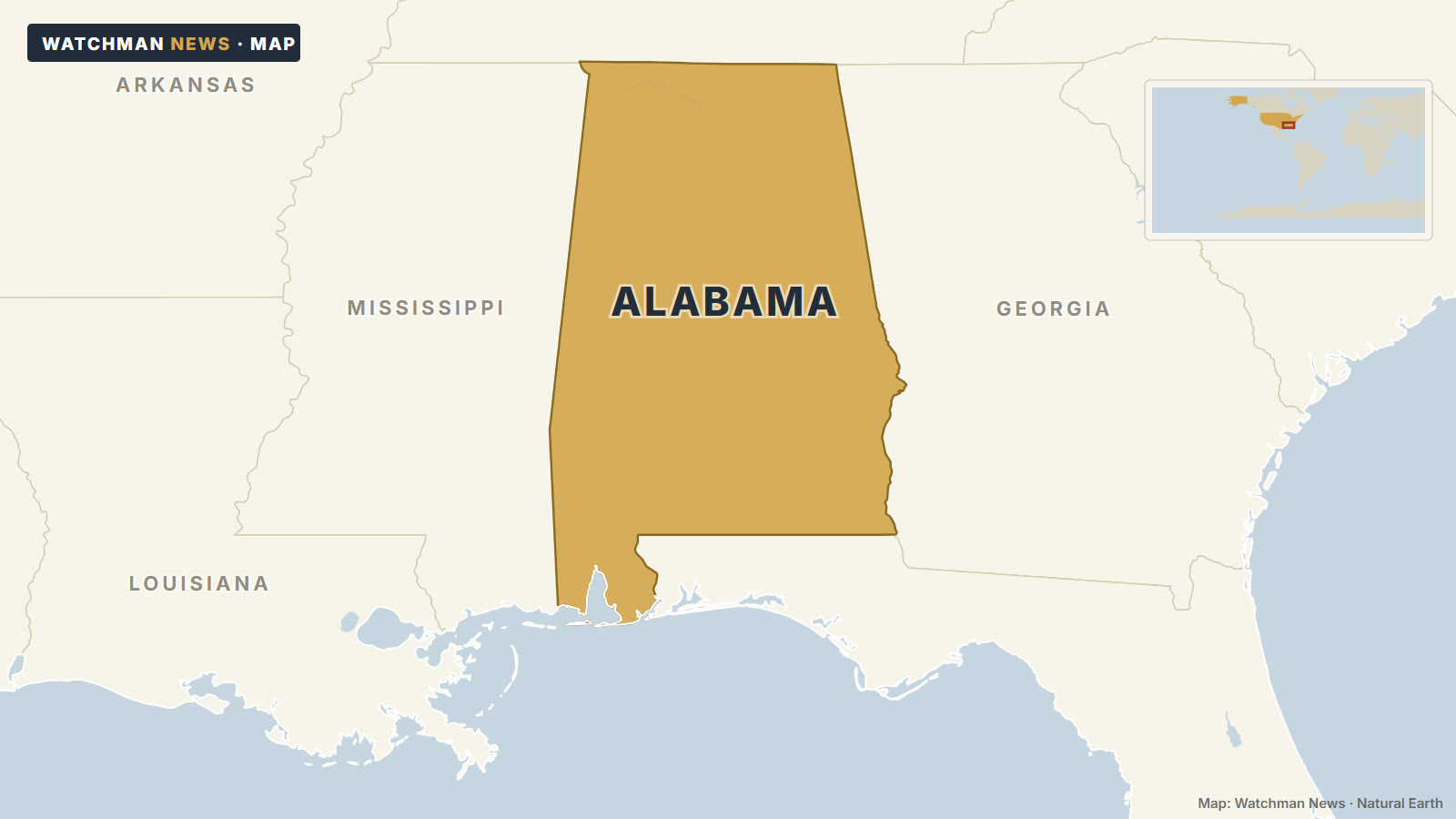
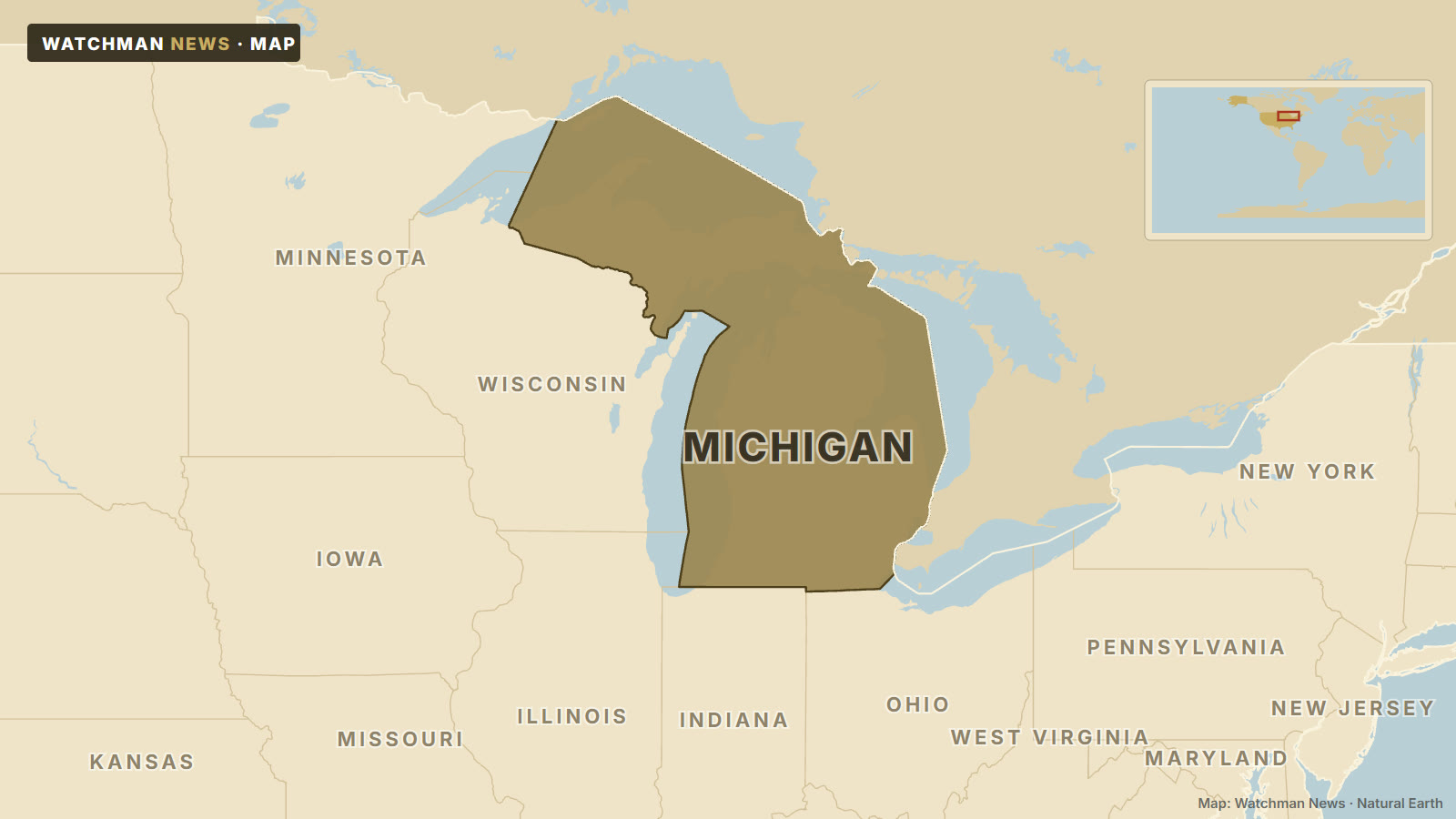
Alabama has the strongest legal protections for churches, religious schools and faith-based nonprofits of any state, and Michigan has the weakest, according to the 2026 Faith and Freedom Index released Nov. 16 by the Napa Legal Institute, The Christian Post reported.
 See where this is ›
The fourth annual index scores all 50 states and the District of Columbia on 15 factors, according to Napa Legal's website. Six fall under religious freedom: state constitutional protection of free exercise, a state Religious Freedom Restoration Act, freedom for nonprofits that run public programs, freedom for faith-based employers, protection for worship during a state of emergency, and Blaine amendments, which limit public money going to religious schools. Nine more measure how heavily the state regulates nonprofits.
Alabama scored 80%, followed by Kansas at 76%, Indiana at 75% and Texas at 71%. At the bottom were Massachusetts at 41%, Washington at 38% and Michigan at 34%.
2026 Faith and Freedom Index: highest and lowest state scores
Source: Napa Legal Institute, as reported by The Christian Post
Napa Legal said Michigan's low score comes from burdensome nondiscrimination rules with weak religious exemptions, no state Religious Freedom Restoration Act, a Blaine amendment in its constitution and no protection for religious groups during emergencies. Frank DeVito, the institute's senior counsel and director of content, said those rules put religious schools in conflict with the state over hiring and admissions decisions made according to their beliefs.
The Christian Post highlighted other comparisons in the index. New York scored higher than North Dakota, South Carolina and Tennessee. Connecticut and Illinois have religious freedom restoration laws, while Alaska and Ohio do not. Hawaii and Maine give religious employers more protection in employment law than South Dakota and West Virginia.
“Some of the most important laws that promote the work of religious organizations are not the 'hot-button' issues one would expect,” DeVito said. As examples, The Christian Post noted that Massachusetts raised the revenue level at which charities must have their finances audited from $200,000 to $500,000, Rhode Island raised its threshold to $1 million, and Florida made clear that directors of religious nonprofits may rely on guidance from clergy.
“The Index, year after year, will remain an important tool to protect and foster the work of religious organizations in particular and religious freedom in general,” DeVito said. The full state map is posted on Napa Legal's website.