Rebel Tunnels and Byzantine Church at Horvat Burgin Open to Visitors in Judean Foothills
Once stripped by looters, the ancient village near Beit Shemesh, where Jewish rebels hid from Rome and believers later built a church with mosaic floors, has been conserved and opened to the public.
 See where this is ›
ADULLAM-FRANCE PARK, Israel —
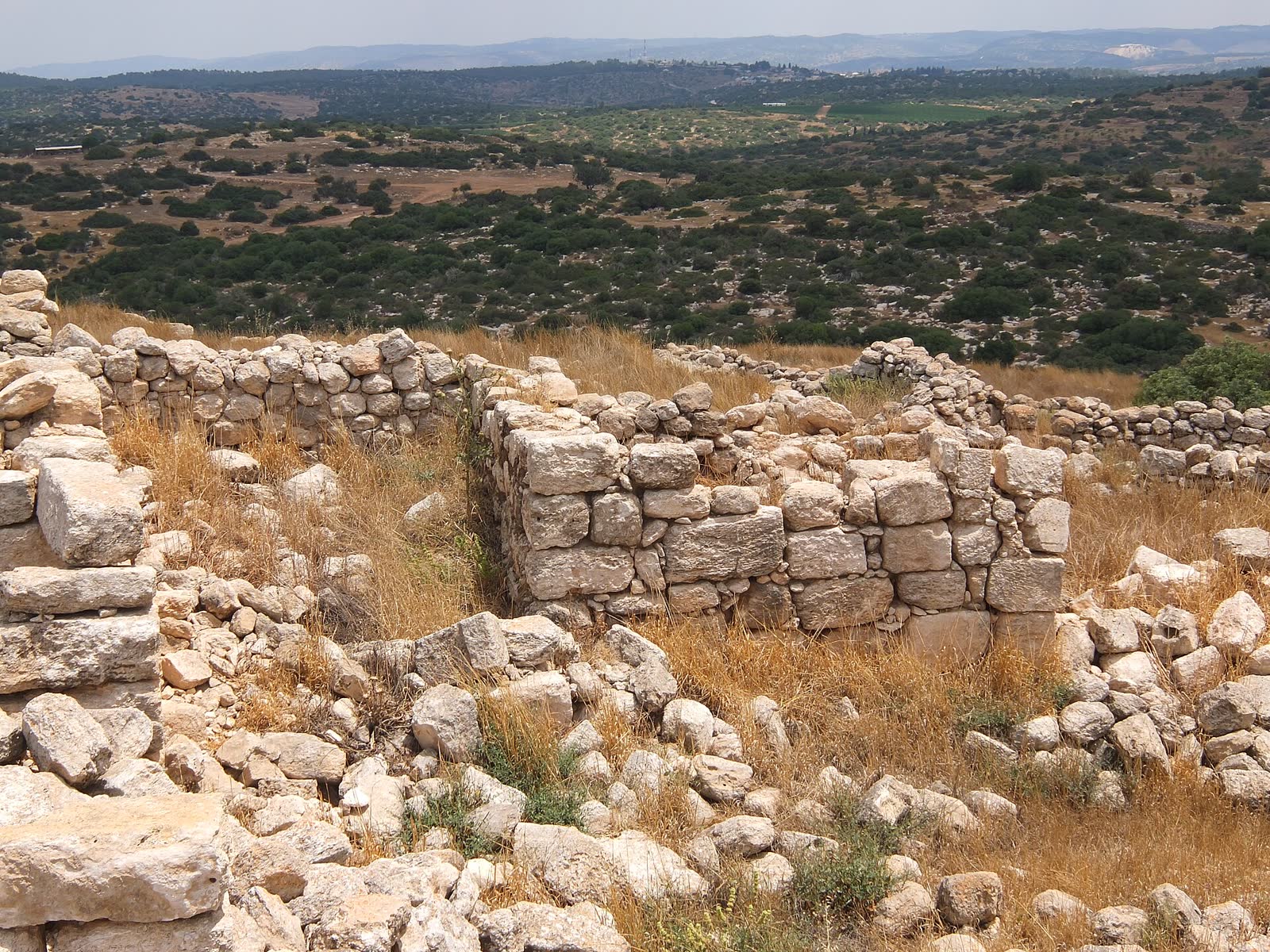
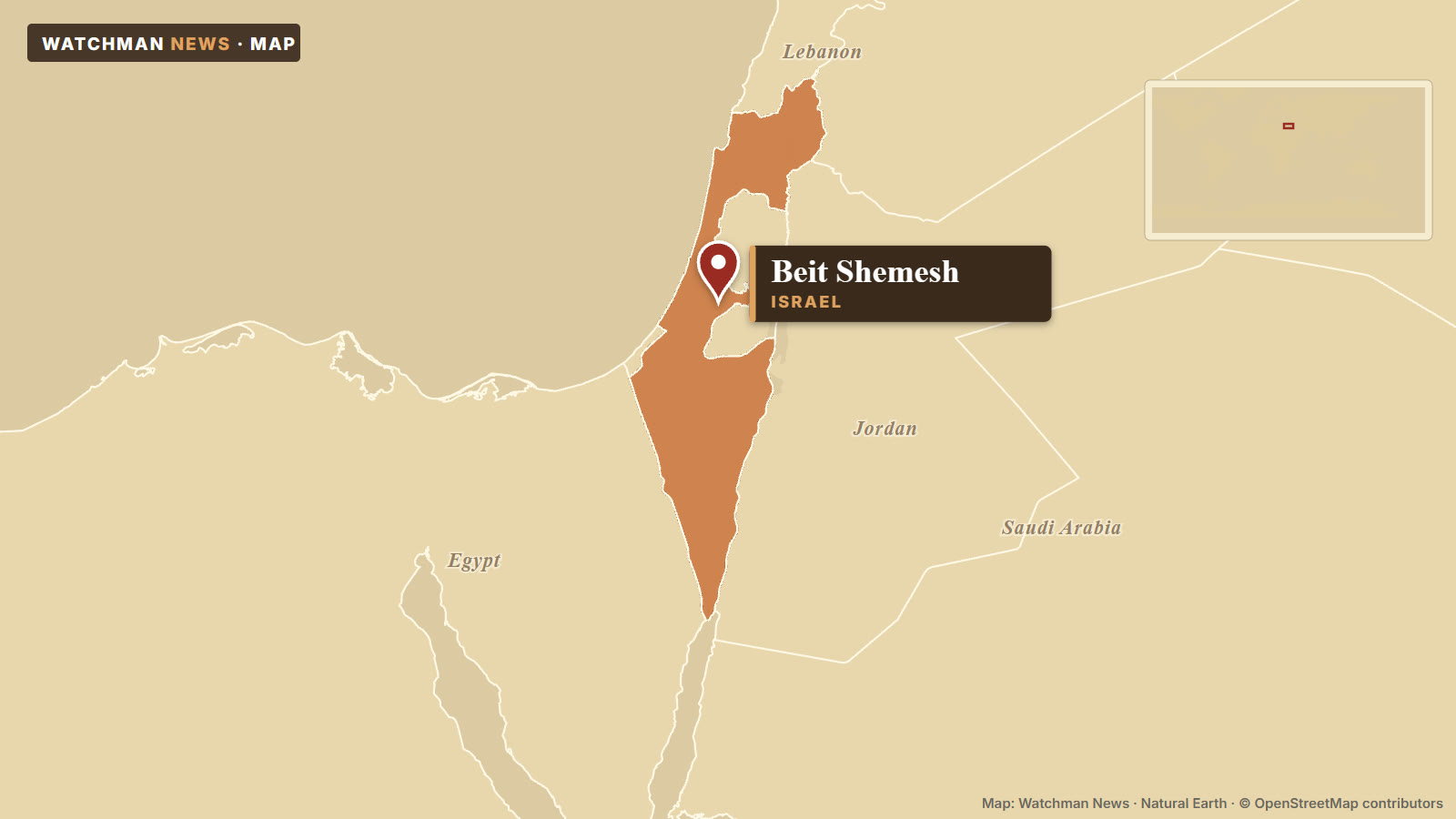
An ancient village in Israel's Judean Foothills, where Jewish rebels hid in tunnels from Roman soldiers and where a church with colorful mosaic floors was later built, is now open to visitors. The site, Horvat Burgin in Adullam-France Park near Beit Shemesh, was inaugurated earlier this month, The Jerusalem Post, JNS and All Israel News reported.
 See where this is ›
 See where this is ›
The opening was held by KKL-JNF (the Jewish National Fund), the Israel Antiquities Authority and the Mateh Yehuda Regional Council, which carried out the conservation and development work together.
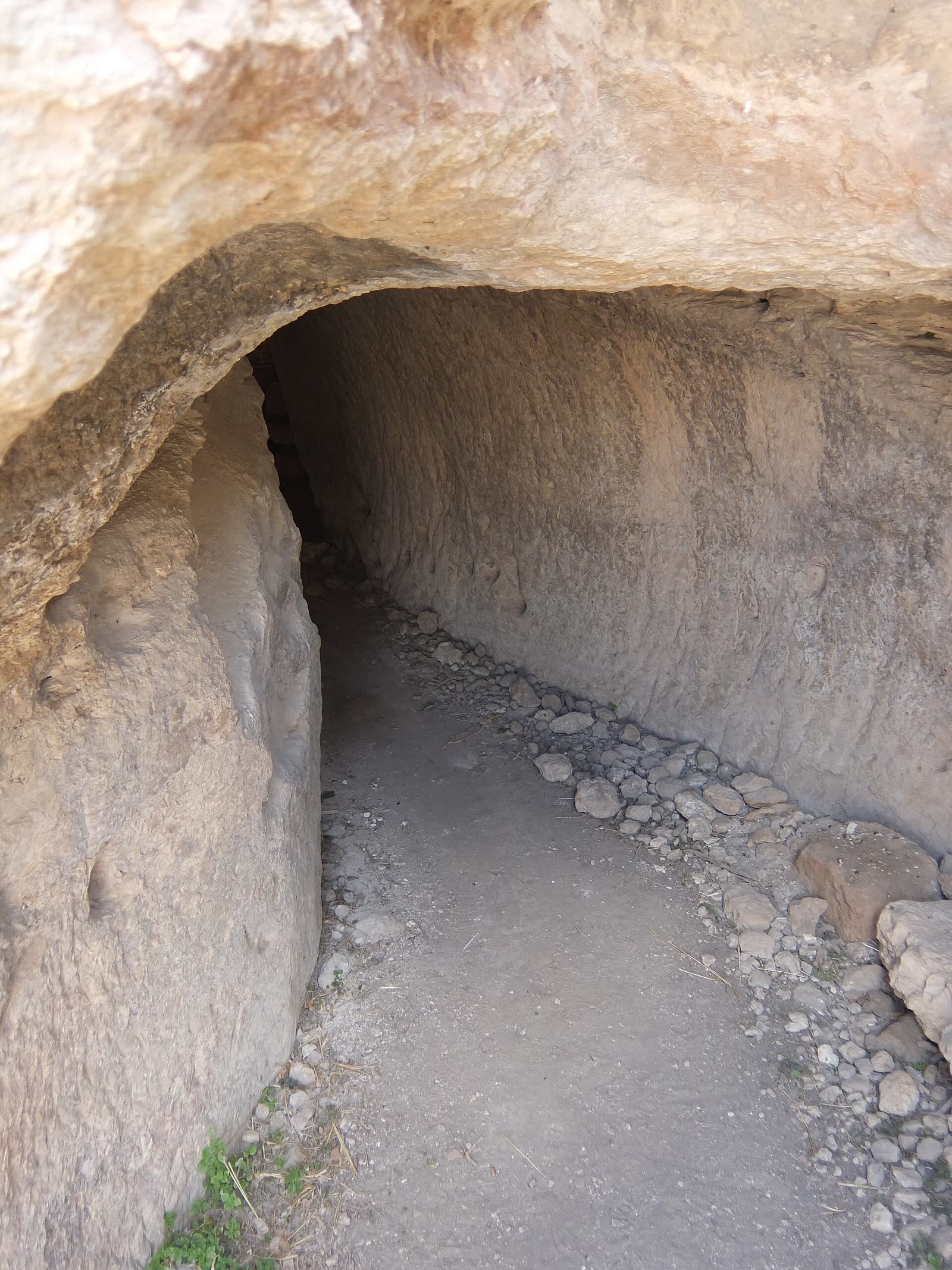
According to the reports, Horvat Burgin was a large settlement in the time of the Second Temple and was lived in through the Ottoman period. In the early Roman period its people carved hiding tunnels into the bedrock beneath the village. The Romans besieged and destroyed the settlement during the Bar Kokhba revolt of A.D. 132-136. Researchers suggest the village may be the one the ancient historian Flavius Josephus called Kfar Bish (Caphar Bish).
Later, during the Byzantine period, a church and a monastery were built on the site. Visitors can see the church's mosaic floor, the monastic complex, columbaria (structures for raising pigeons) and winepresses, as well as the underground tunnels, The Jerusalem Post reported.
Dr. Amir Ganor, who directs the Israel Antiquities Authority's Theft Prevention Unit and excavated the site, said Horvat Burgin had suffered heavy looting before inspectors and KKL-JNF staff stopped the damage. “The site was saved, and now, following conservation work, it can be enjoyed by the public,” Ganor said. Excavations there were led by Alon Klein and Dr. Peter Gendelman.
“The story of Horbat Burgin is the story of our land,” said Eyal Ostrinsky, chairman of KKL-JNF. Avishai Cohen, head of the Mateh Yehuda Regional Council, said developing the site is a step in strengthening rural tourism in the region. Ami Shahar, the antiquities authority's deputy director-general for built heritage conservation, and Heritage Minister Amichai Eliyahu also spoke about the project, according to The Jerusalem Post.
Adullam-France Park lies in the Judean lowlands, the region the Bible calls the Shephelah, near Beit Shemesh in central Israel. The reports did not give opening hours for the new visitor facilities.